
Inland Stories
Home Thrutopia Stories News Education Contact
Cyril Abad Jef Bonifacino Tjorven Bruyneel Phyllis B. Dooney Tim Franco Alex Kemman Romain Philippon Tommaso Rada Jana Margarete Schuler Matjaz Tancic Polly Tootal Patrick Wack Melanie Wenger Mathias Zwick
About Us Archive Books & Prints
Home Photographers Cyril Abad Jef Bonifacino Tjorven Bruyneel Phyllis B. Dooney Tim Franco Alex Kemman Romain Philippon Tommaso Rada Jana Margarete Schuler Matjaz Tancic Polly Tootal Patrick Wack Melanie Wenger Mathias Zwick ThrutopiaStories NewsEducation About About Us Archive Books & Prints Contact
Inland Stories
International Documentary Photographers
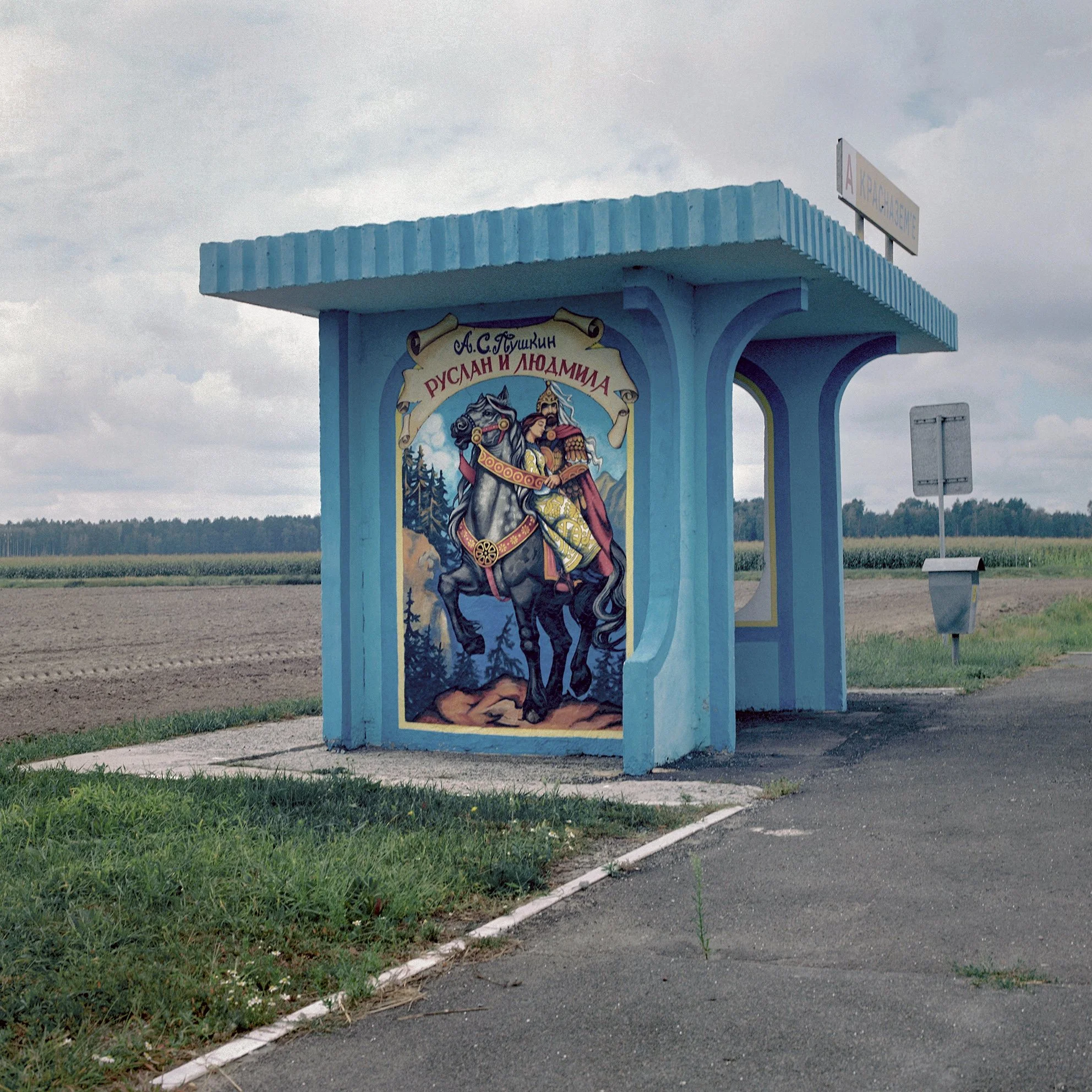
 Bus stop, Polesia, the region of origin of Belarusian settlement.
 Bus stop, Polesia, the region of origin of Belarusian settlement.

Bus stop, Polesia, the region of origin of Belarusian settlement.

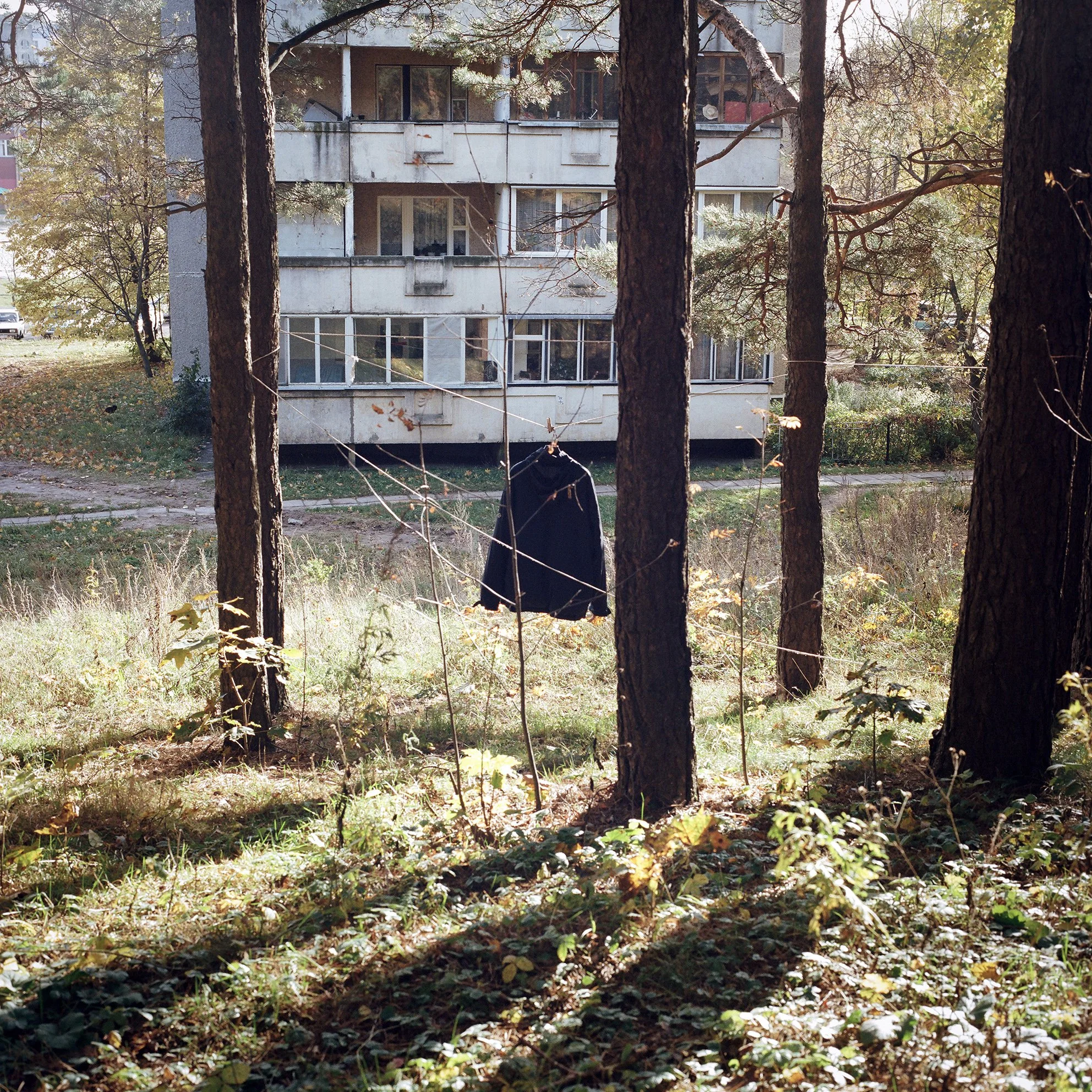
 Minsk.

Minsk.

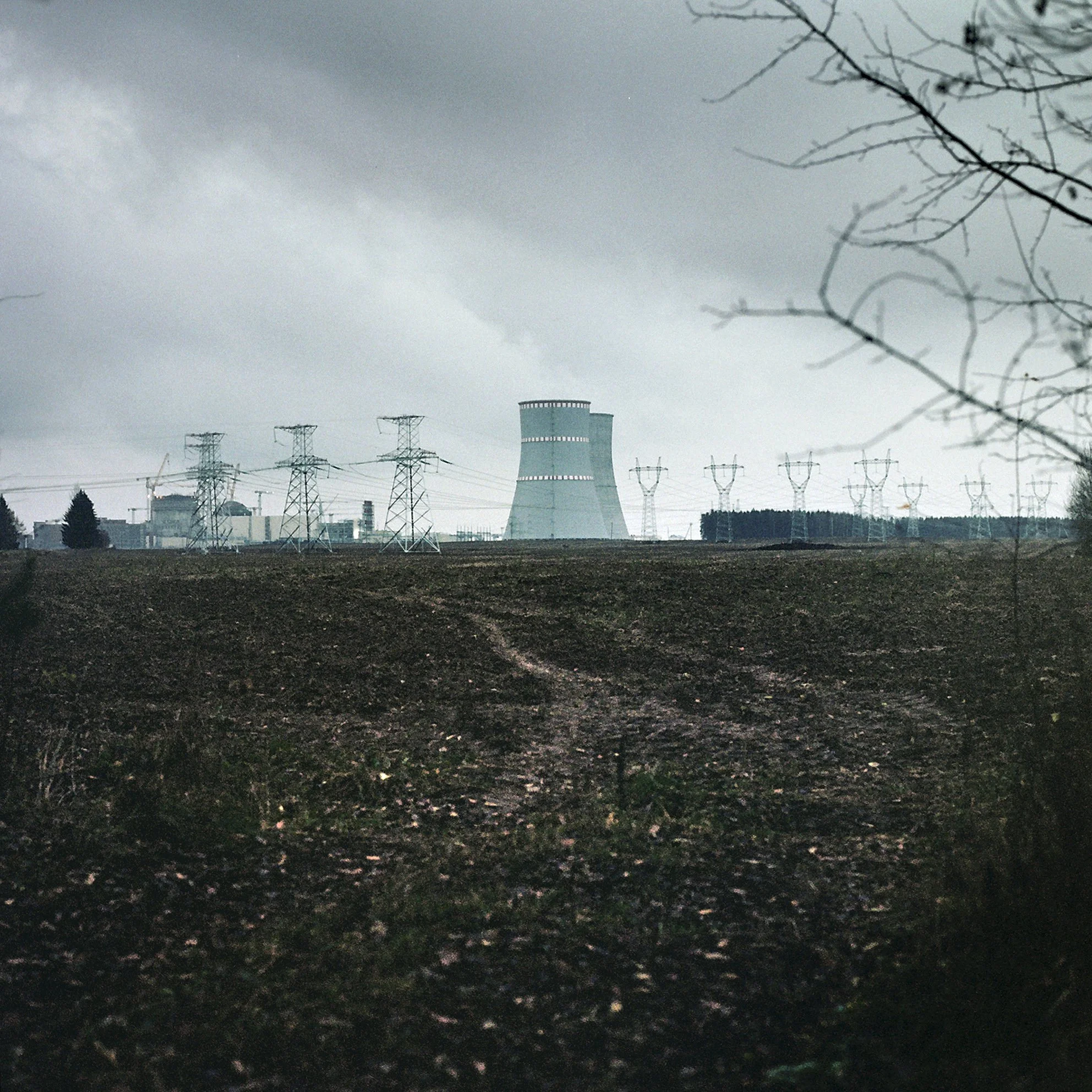
 New Astravets nuclear power plant, built by Russia, near the Lithuanian border. (2020)

New Astravets nuclear power plant, built by Russia, near the Lithuanian border. (2020)

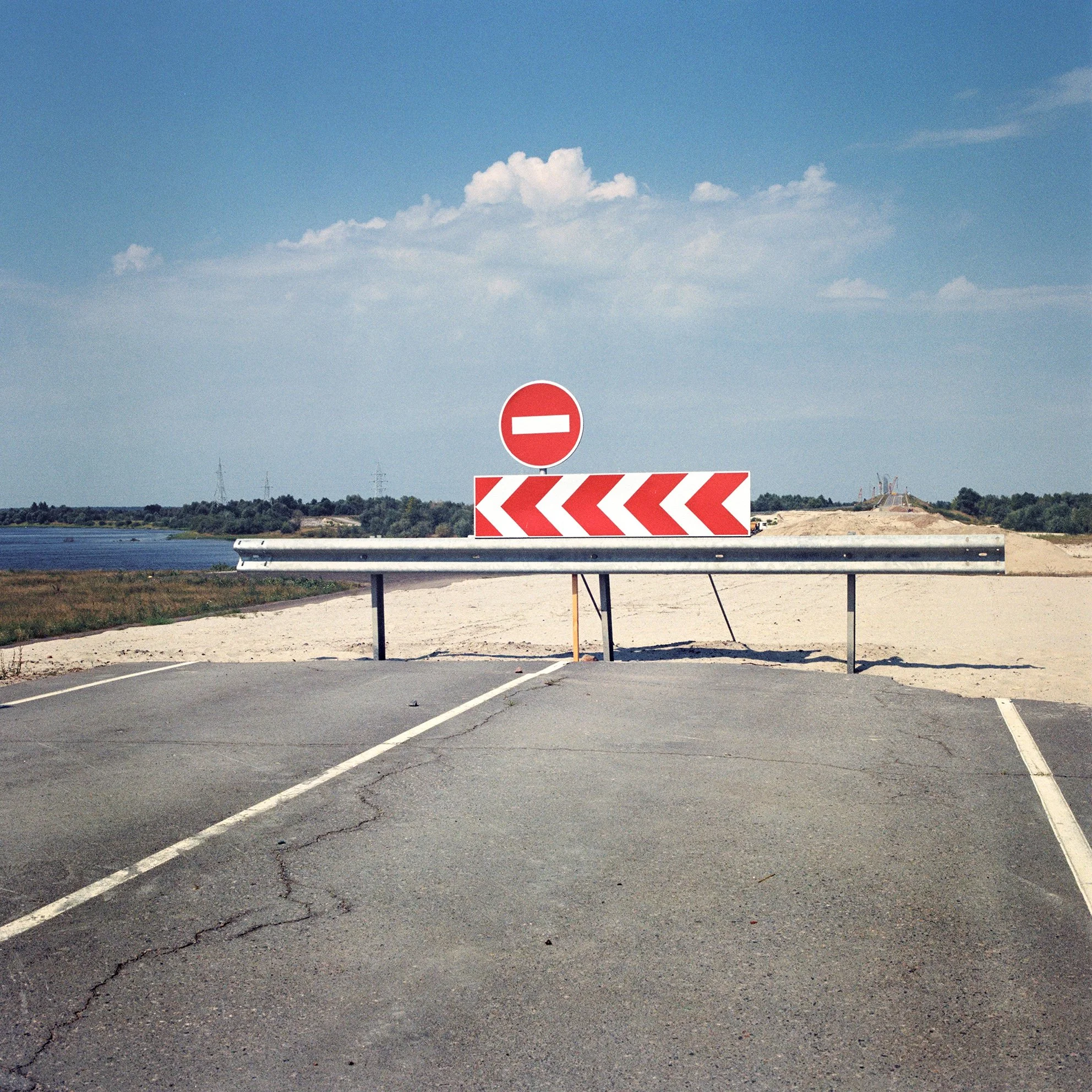
 Bridge in works on the river Pripiat, near the border with Ukraine.

Bridge in works on the river Pripiat, near the border with Ukraine.

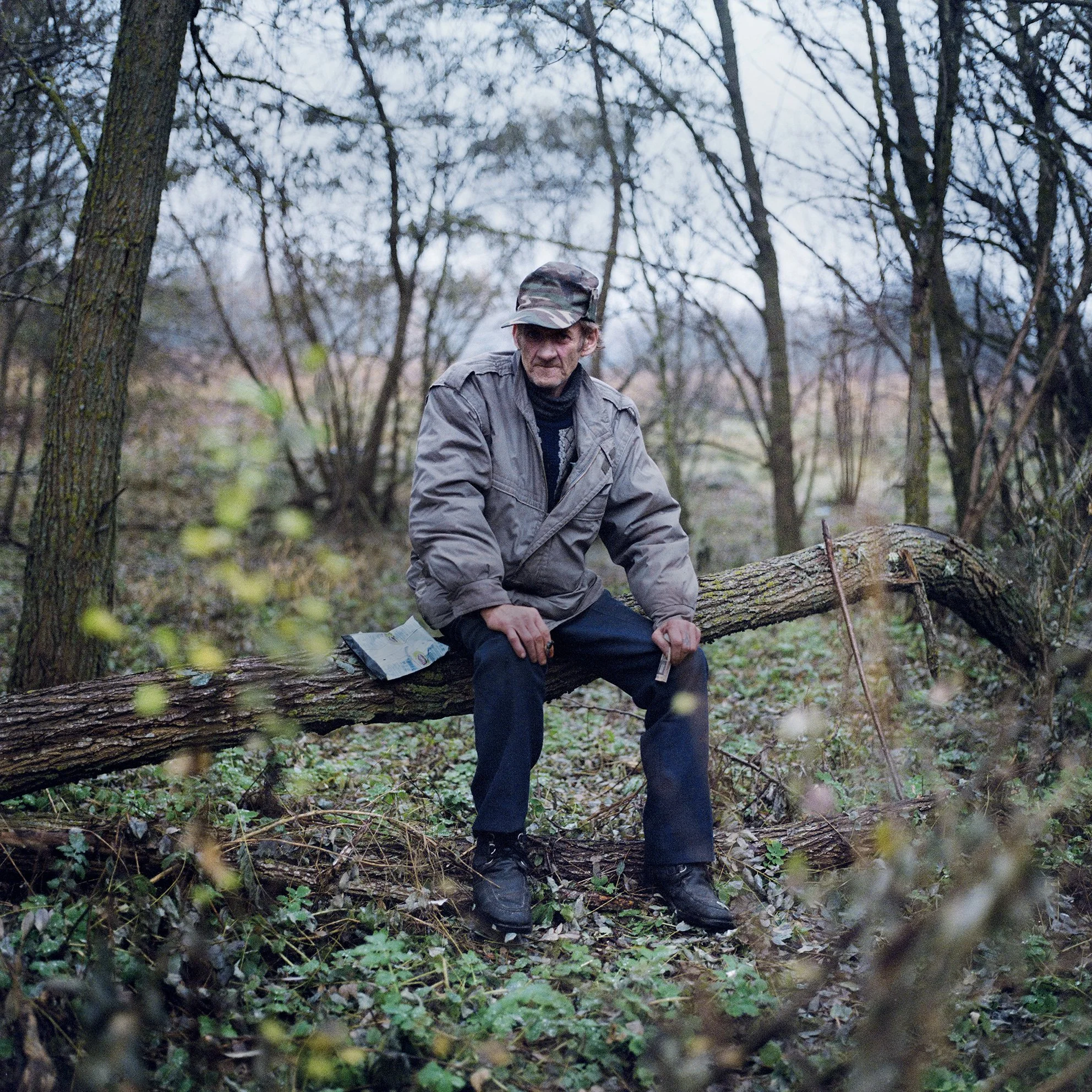
 "My wife died here, so I stay", Piotr, contaminated village of Bartalomieievka inside the Belarusian Chernobyl Exclusion Zone. (1986)

"My wife died here, so I stay", Piotr, contaminated village of Bartalomieievka inside the Belarusian Chernobyl Exclusion Zone. (1986)

 Cemetery of soviet mass executions of Kurapaty near Minsk. (1937)

Cemetery of soviet mass executions of Kurapaty near Minsk. (1937)

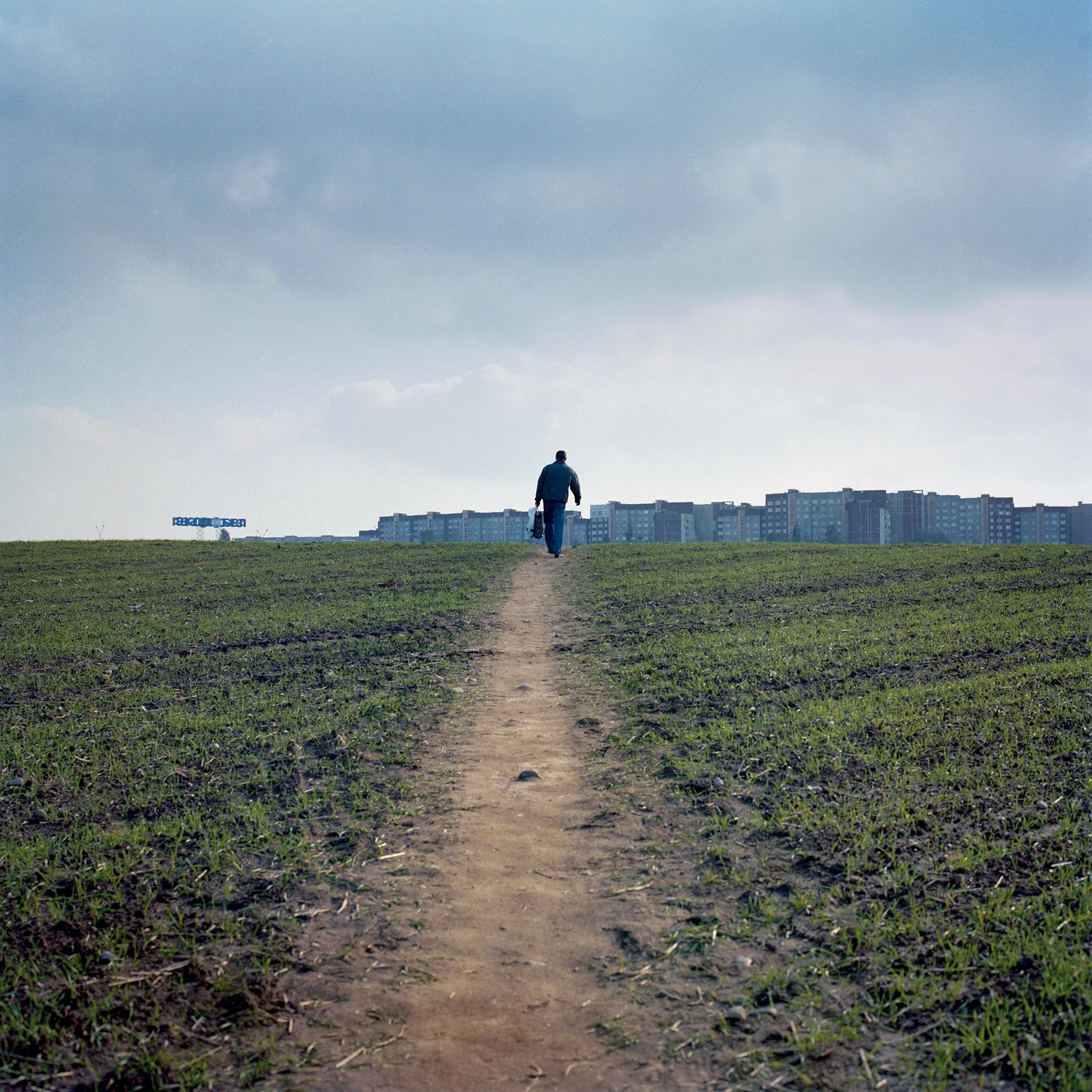
 Arrival in Minsk through fields near the Kurapaty Soviet mass execution cemetery. (1937)

Arrival in Minsk through fields near the Kurapaty Soviet mass execution cemetery. (1937)

 Good morning Minsk.

Good morning Minsk.

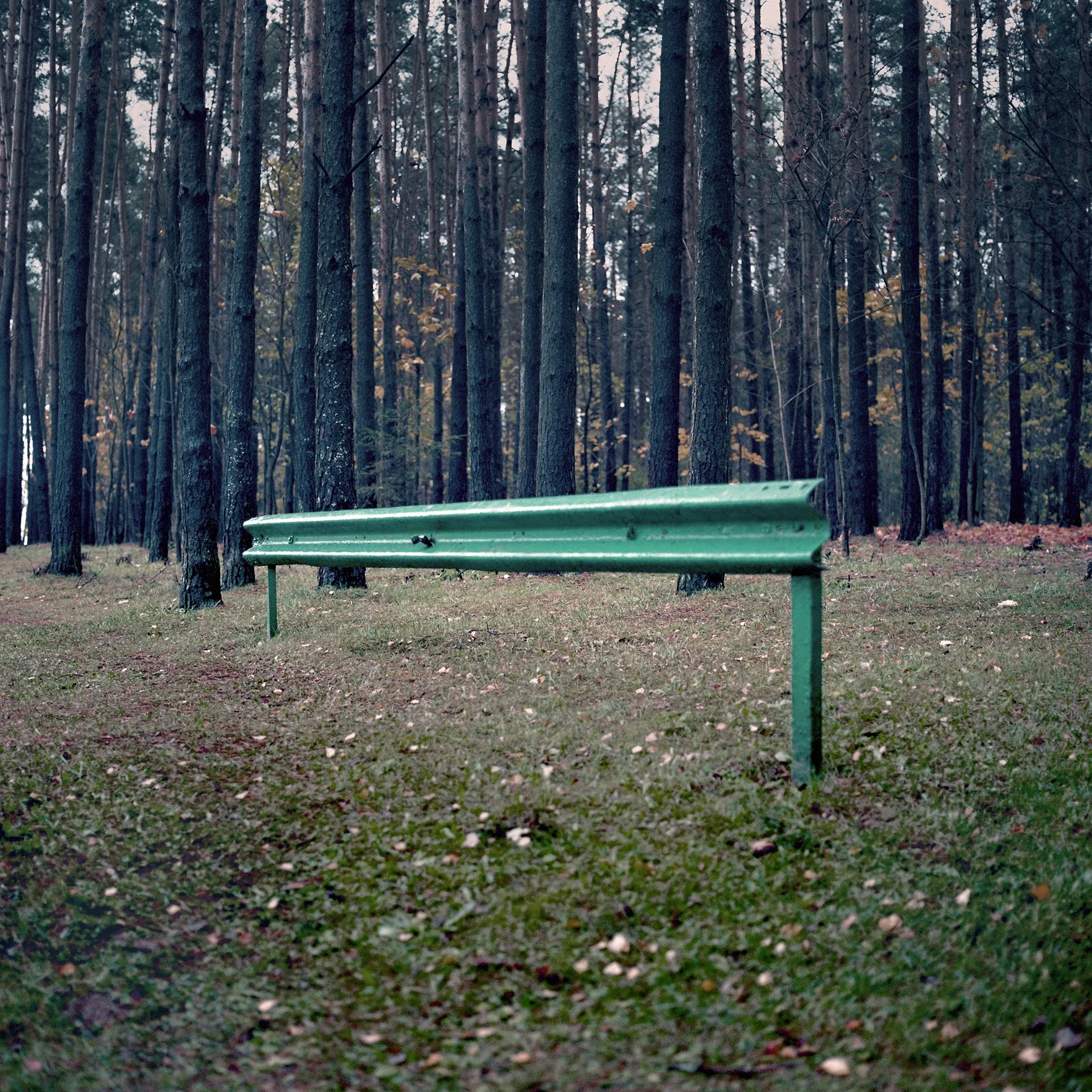
 Along the Minsk ring road near the cemetery of soviet mass executions of Kurapaty.

Along the Minsk ring road near the cemetery of soviet mass executions of Kurapaty.

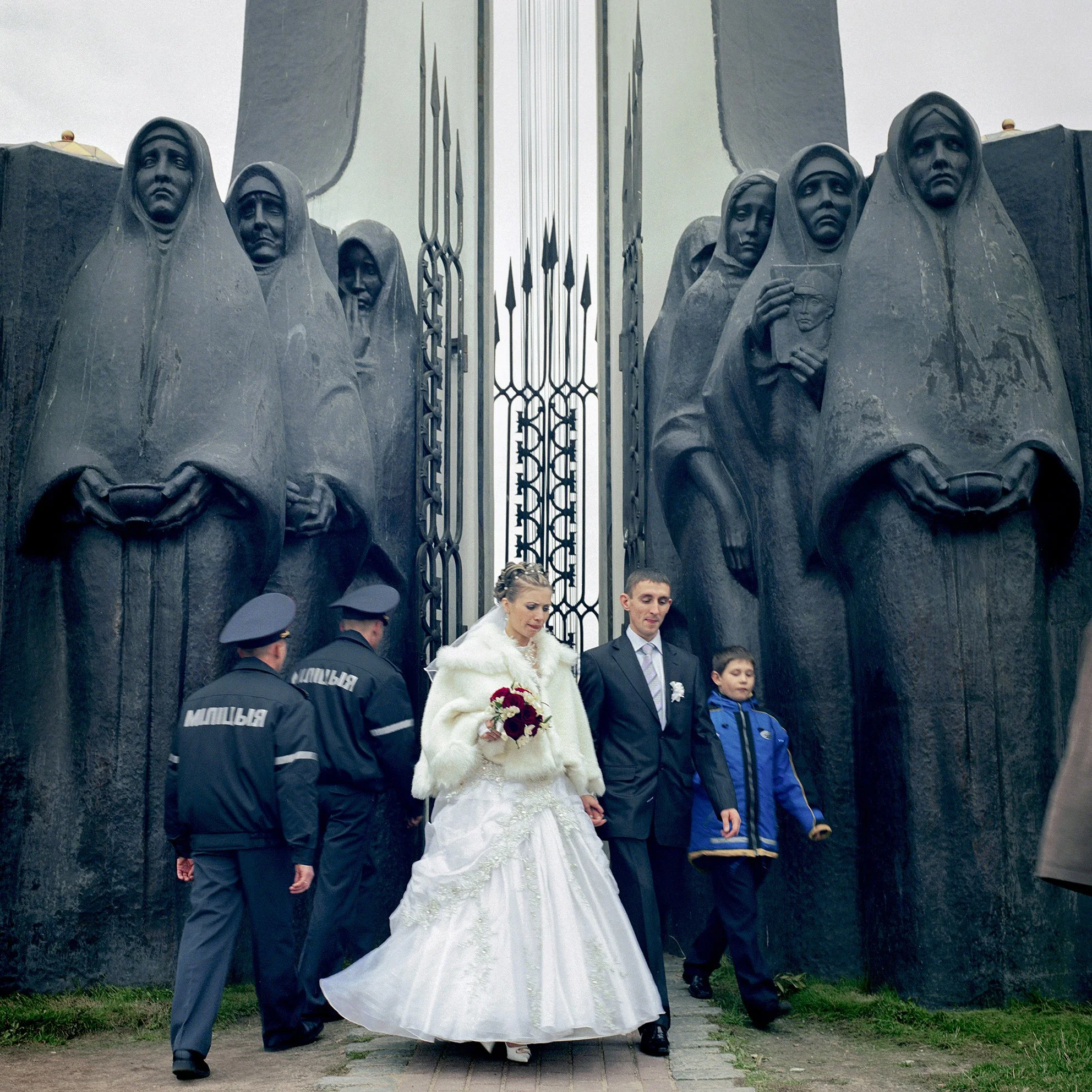
 Wedding at war memorial of the Afghan war on Tears Island in Minsk.

Wedding at war memorial of the Afghan war on Tears Island in Minsk.

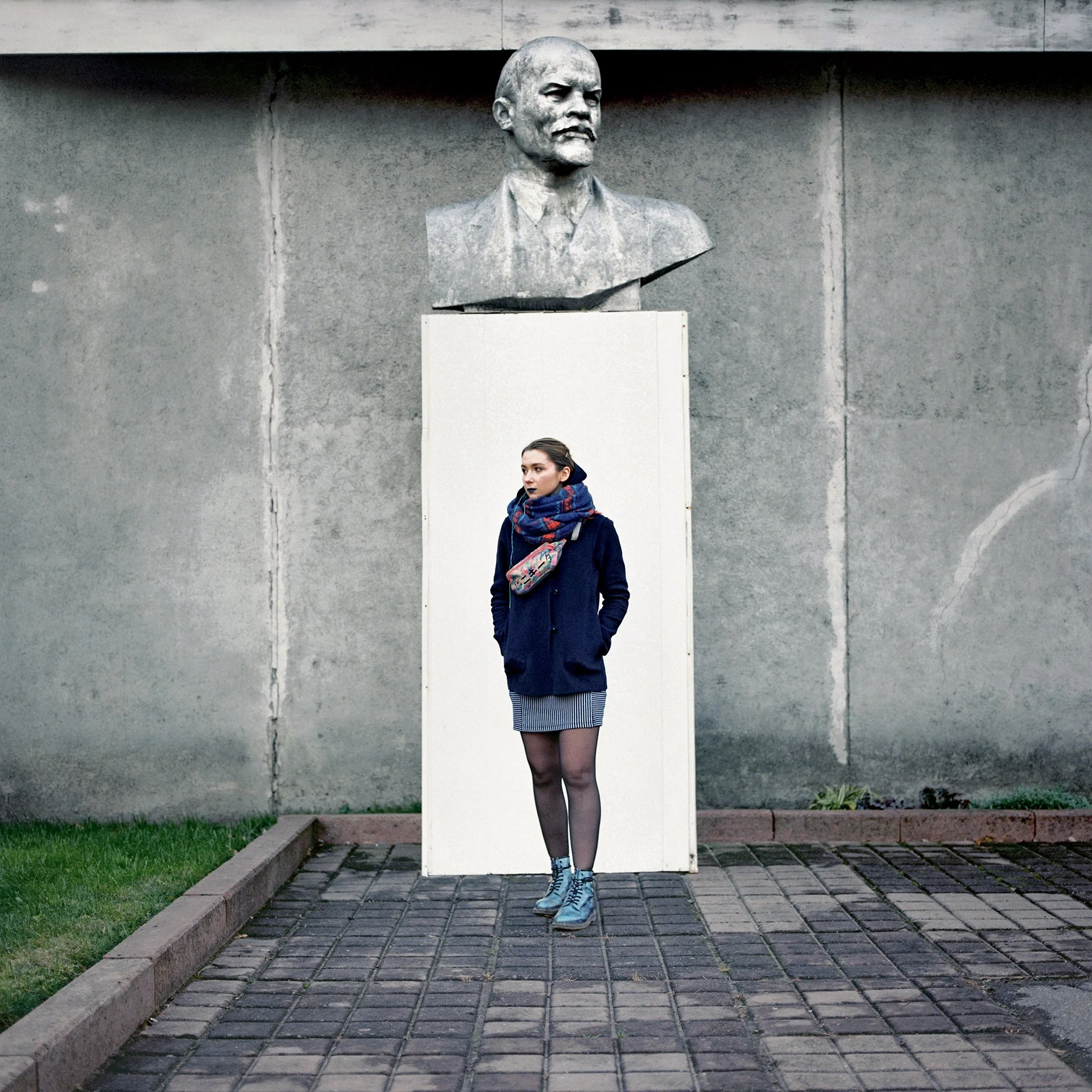
 Nastia in front of the bust of Lenin on October Street in Minsk. (1917) Nastia has never known the Soviet era and has never had any president other than Alexander Lukashenko.

Nastia in front of the bust of Lenin on October Street in Minsk. (1917) Nastia has never known the Soviet era and has never had any president other than Alexander Lukashenko.

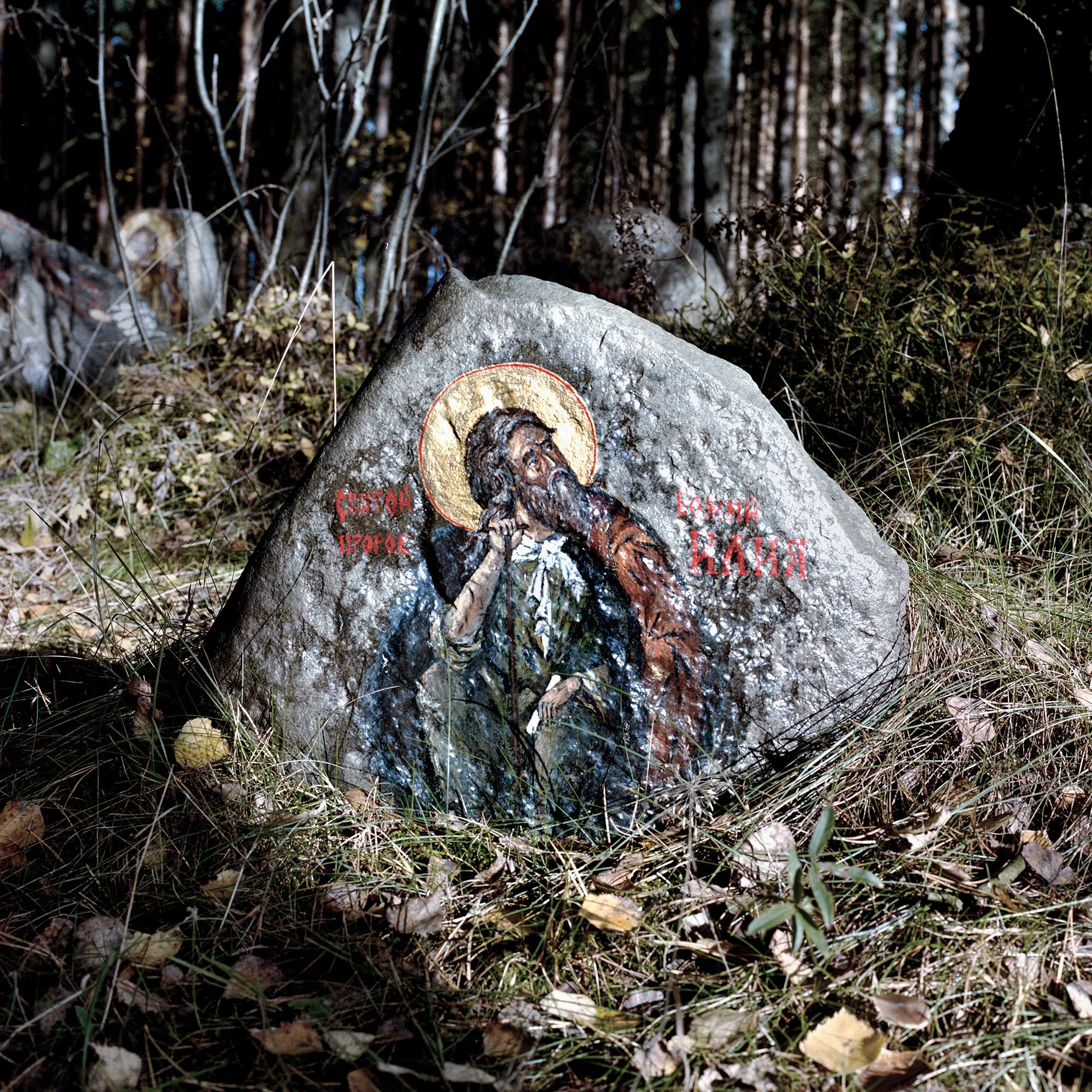
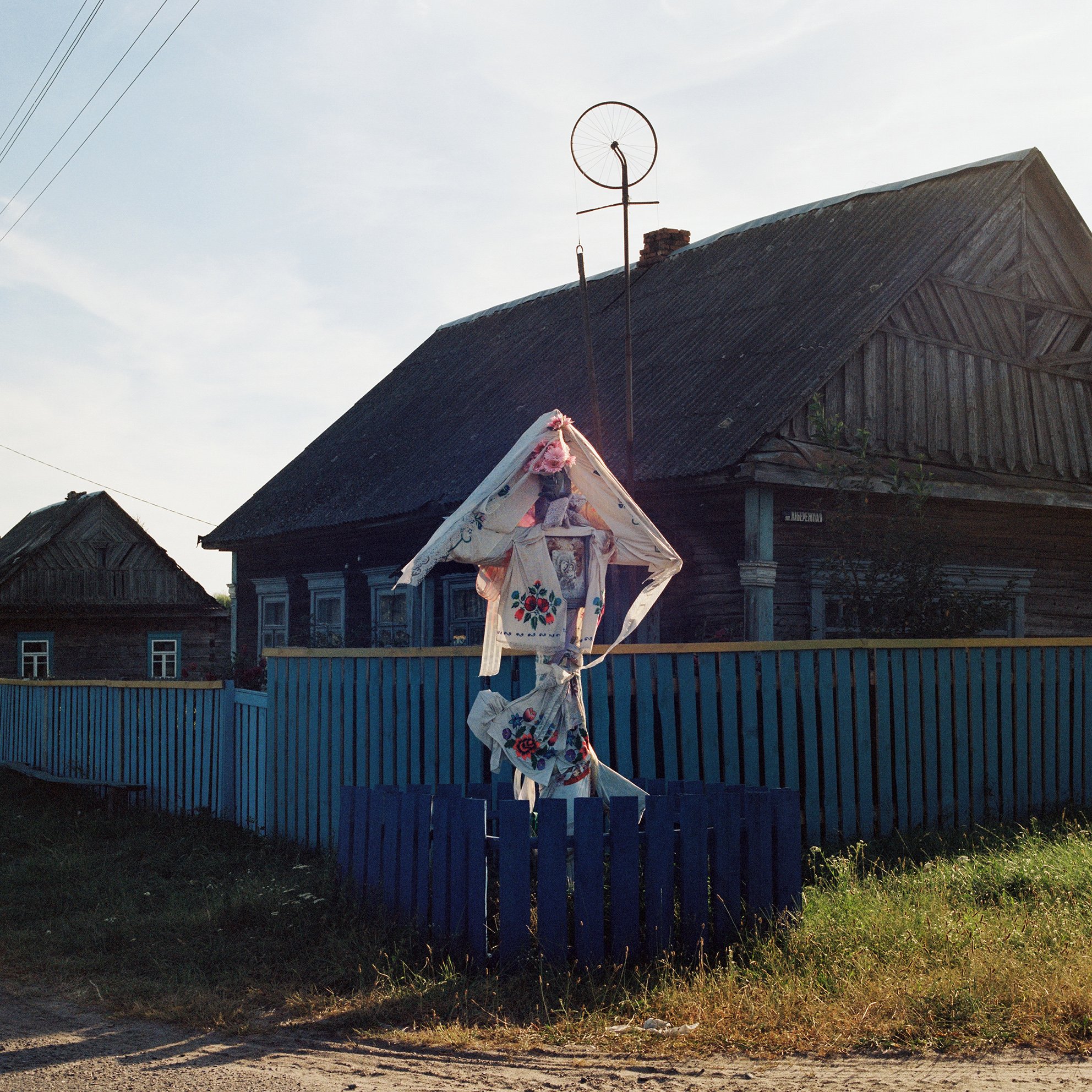
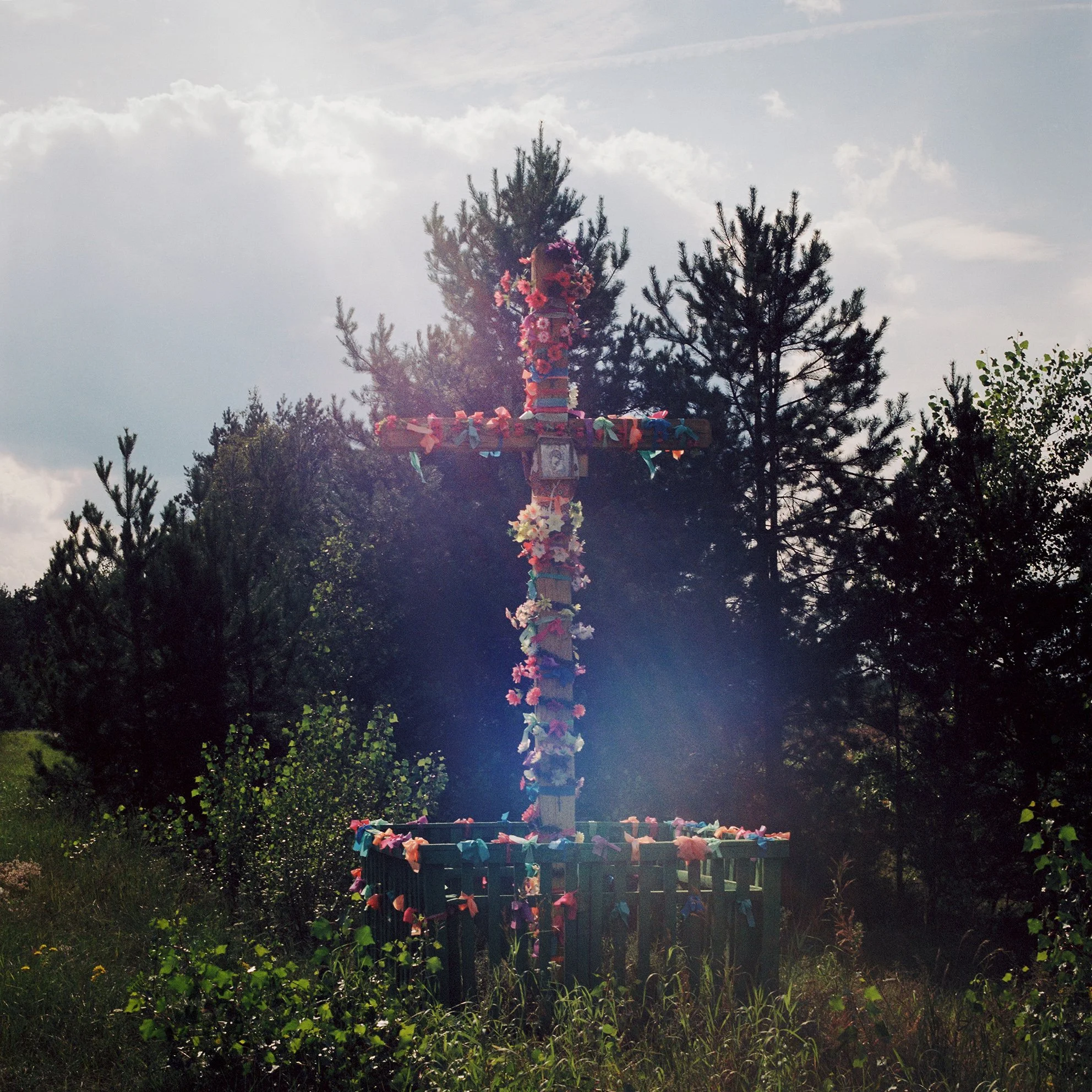
 Cross draped with ruchnyks (traditional hand-embroidered textiles, symbols of memory and spirituality) in Gorky. (mid-Medieval period)

Cross draped with ruchnyks (traditional hand-embroidered textiles, symbols of memory and spirituality) in Gorky. (mid-Medieval period)

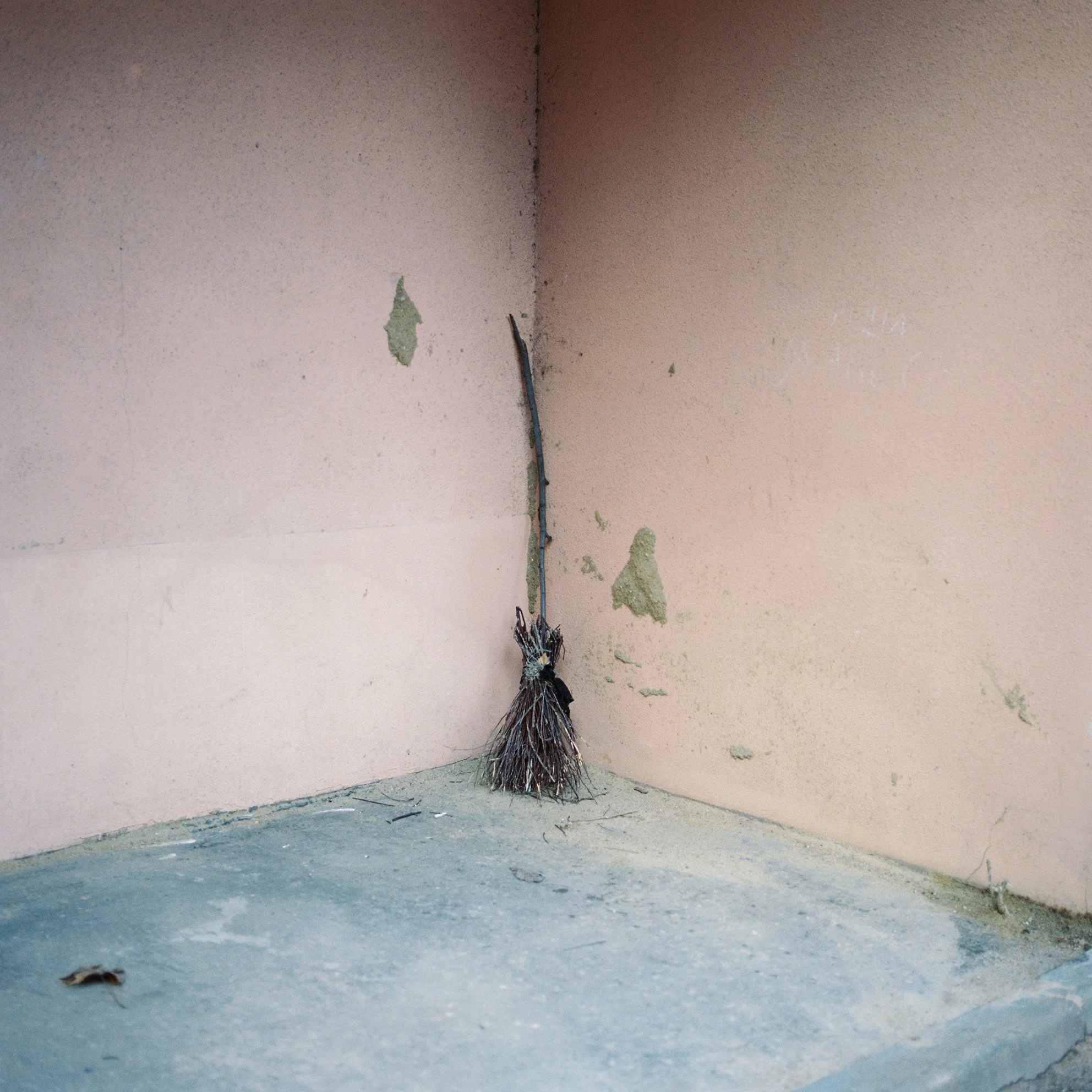
 A broom resting in a quiet corner of Minsk.

A broom resting in a quiet corner of Minsk.

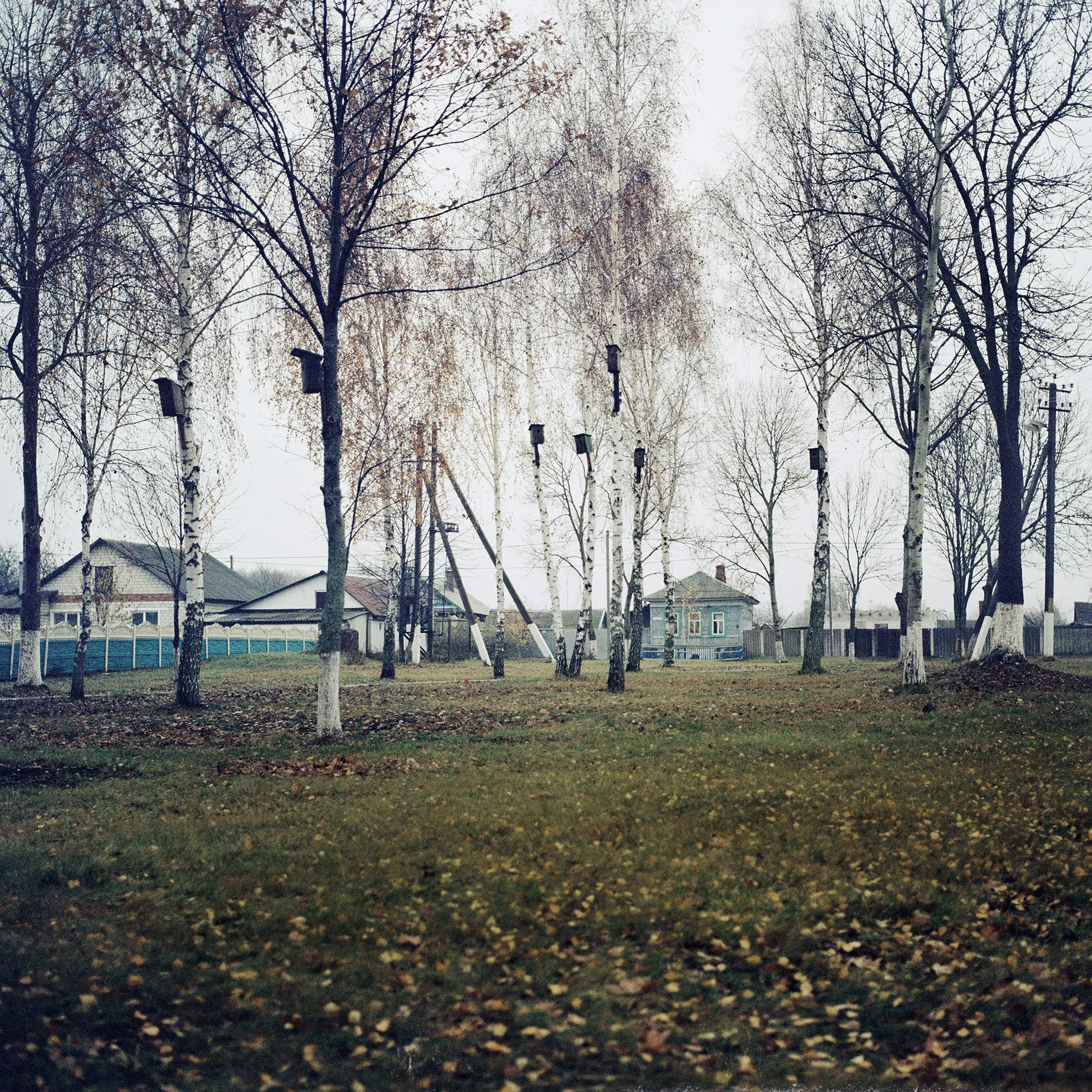
 Village of Kamarin, edge of the Belarusian Chernobyl Exclusion Zone. (1986)

Village of Kamarin, edge of the Belarusian Chernobyl Exclusion Zone. (1986)

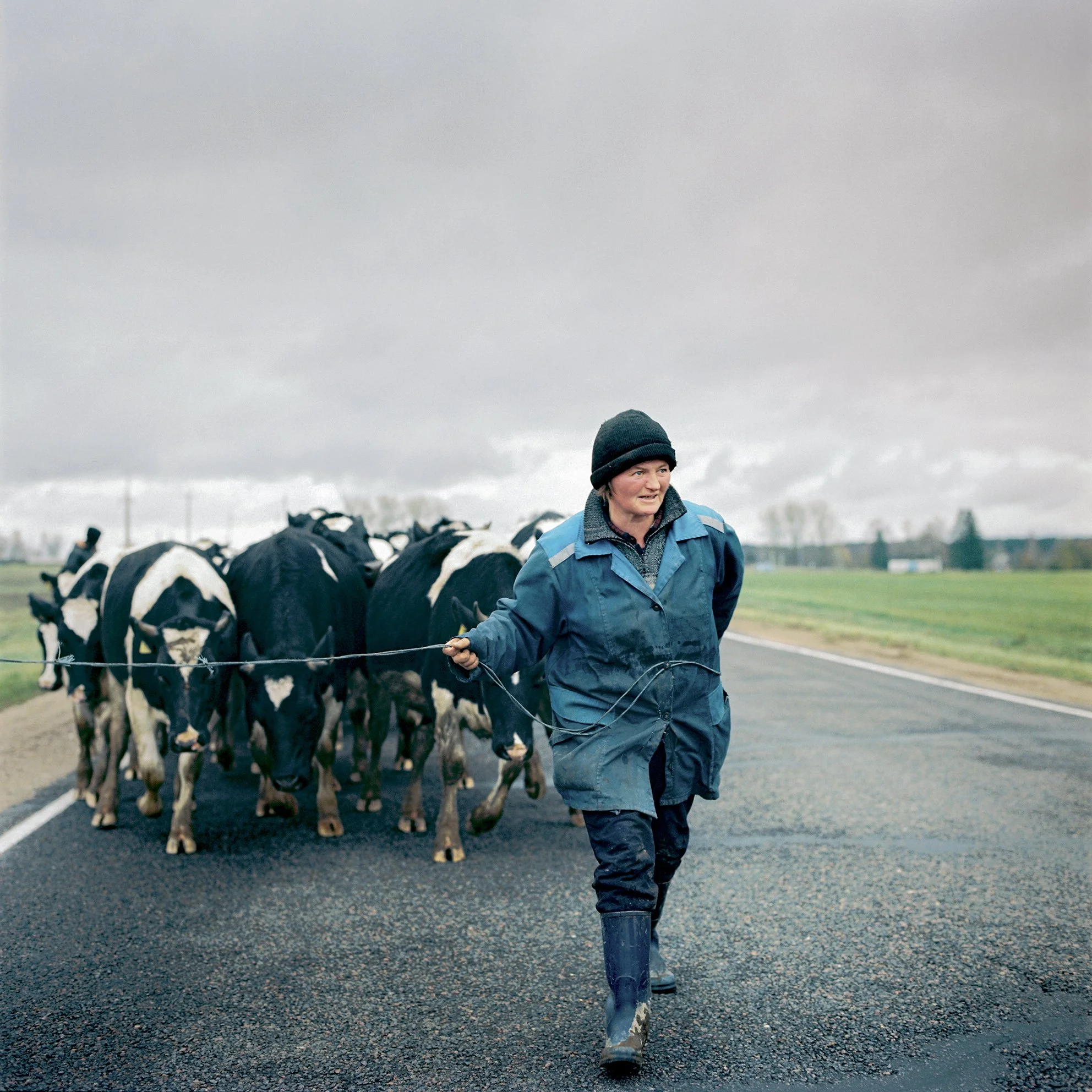
 Herding the kolkhoz cattle (state-controlled collective farm) in Kosava. (established 1928)

Herding the kolkhoz cattle (state-controlled collective farm) in Kosava. (established 1928)

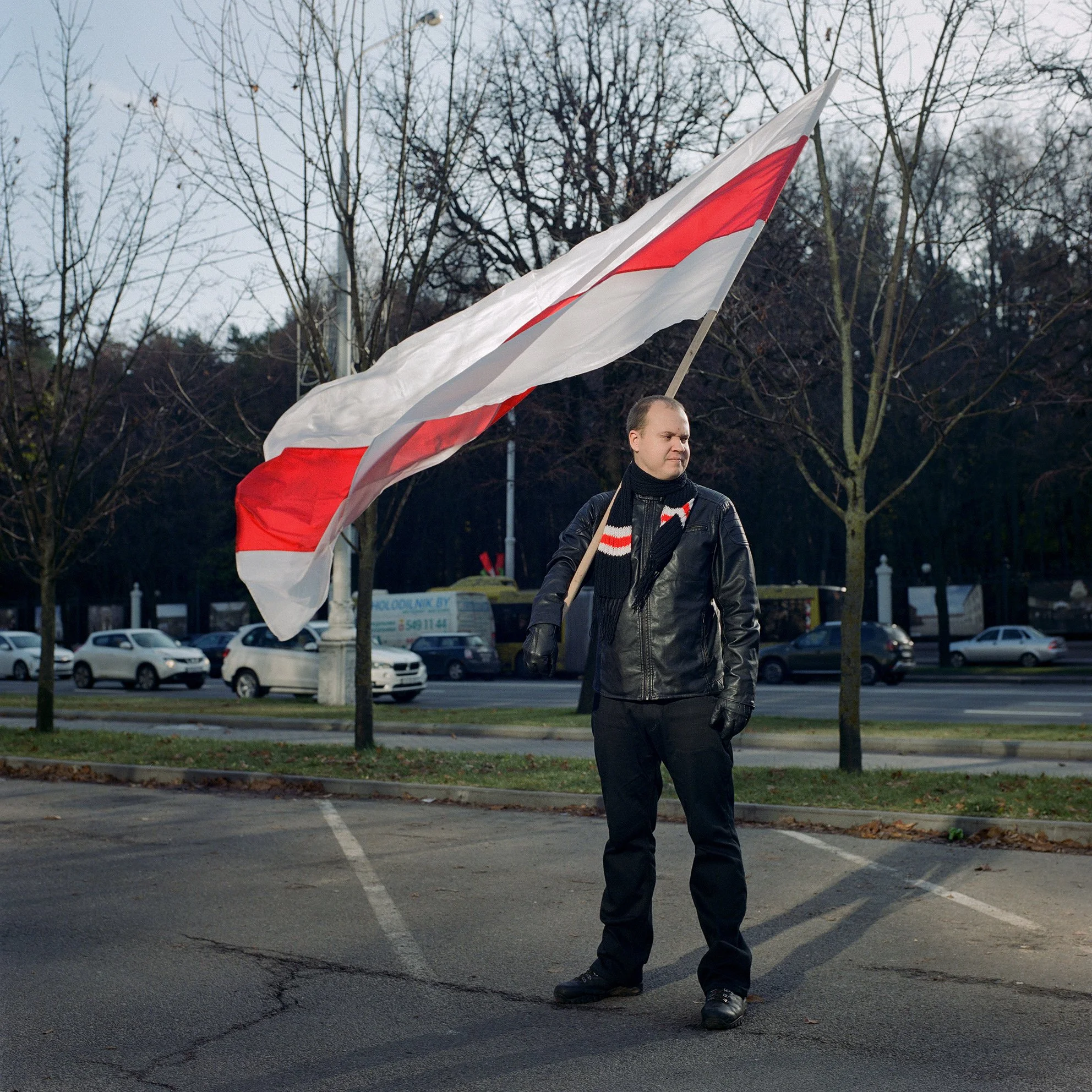
 Protest in Minsk. White-red-white – the historic Belarusian flag inherited from the Grand Duchy of Lithuania. (1793)

Protest in Minsk. White-red-white – the historic Belarusian flag inherited from the Grand Duchy of Lithuania. (1793)

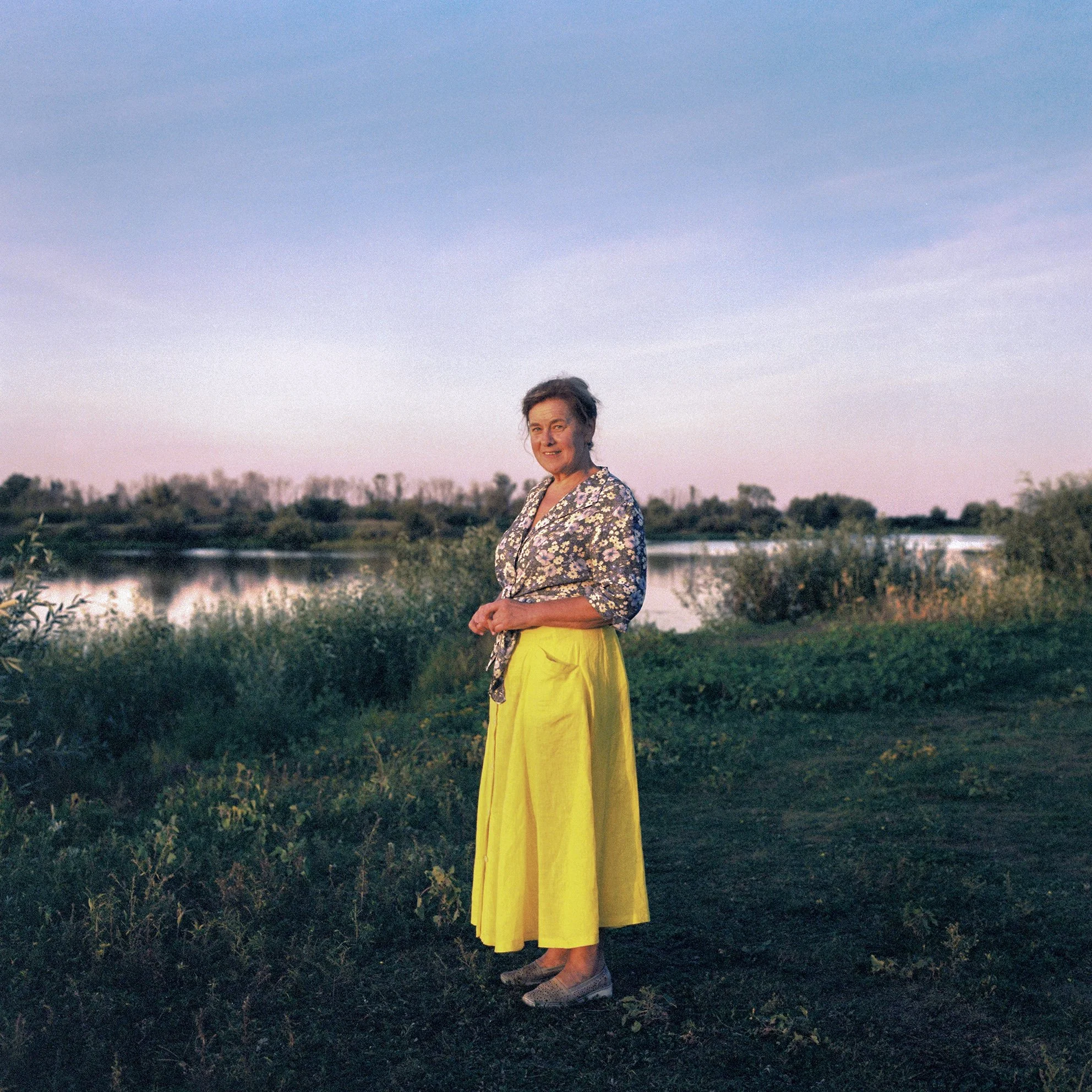
 Irina in front of the Pripyat River in Turov, in Polesia, the ancestral homeland of the Belarusian people. "Kind sun, give me your strength," her grandmother used to say, welcoming the sun with open hands.

Irina in front of the Pripyat River in Turov, in Polesia, the ancestral homeland of the Belarusian people. "Kind sun, give me your strength," her grandmother used to say, welcoming the sun with open hands.

 Village of Alexandraouka in the Belarusian Chernobyl Exclusion Zone. (1986)

Village of Alexandraouka in the Belarusian Chernobyl Exclusion Zone. (1986)

 Village of Alexandraouka in the Belarusian Chernobyl Exclusion Zone. (1986)

Village of Alexandraouka in the Belarusian Chernobyl Exclusion Zone. (1986)

 Cemetery of soviet mass executions of Kurapaty near Minsk. (1937)

Cemetery of soviet mass executions of Kurapaty near Minsk. (1937)

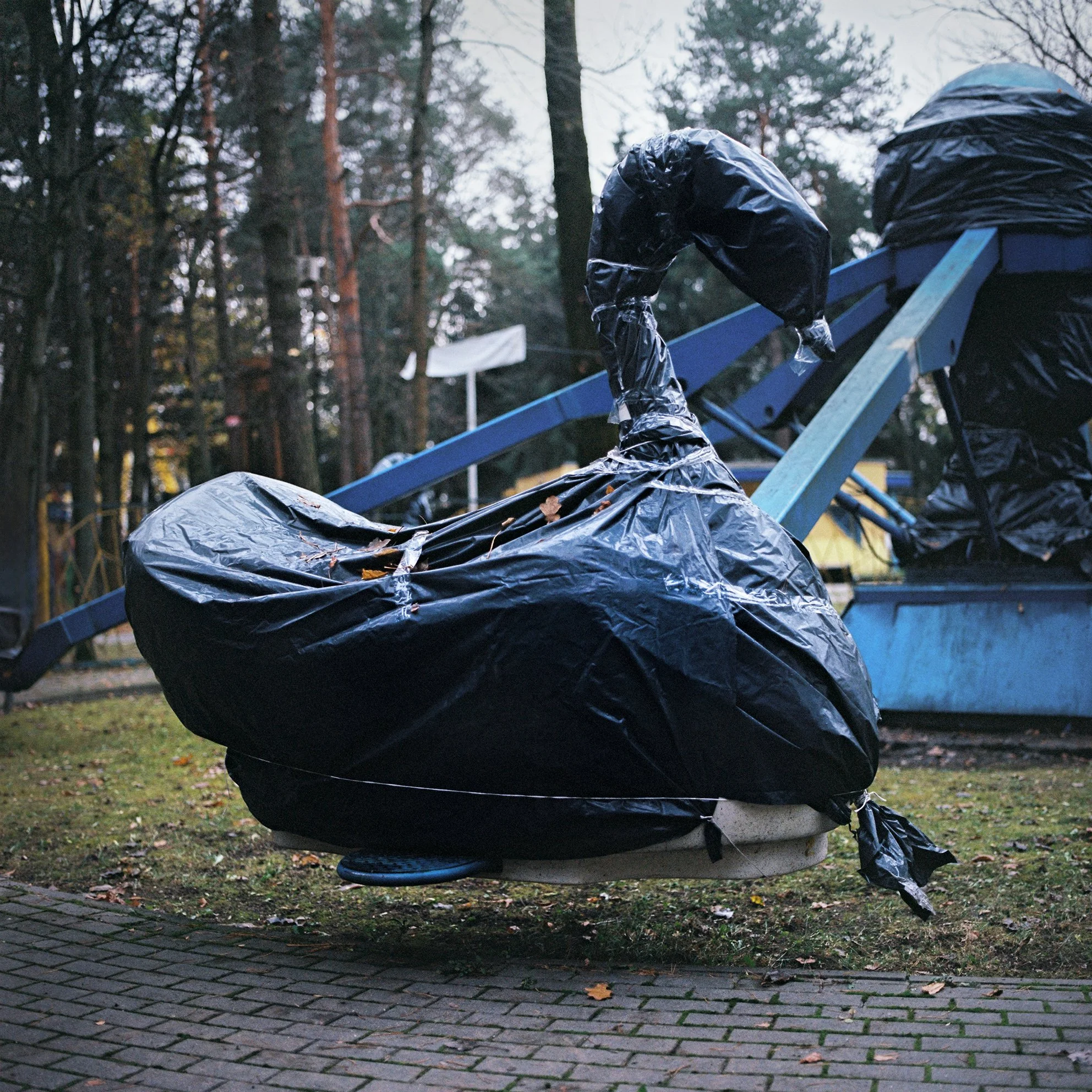
 Black swan, carousel at Chelyuskinsov Park in Minsk.

Black swan, carousel at Chelyuskinsov Park in Minsk.

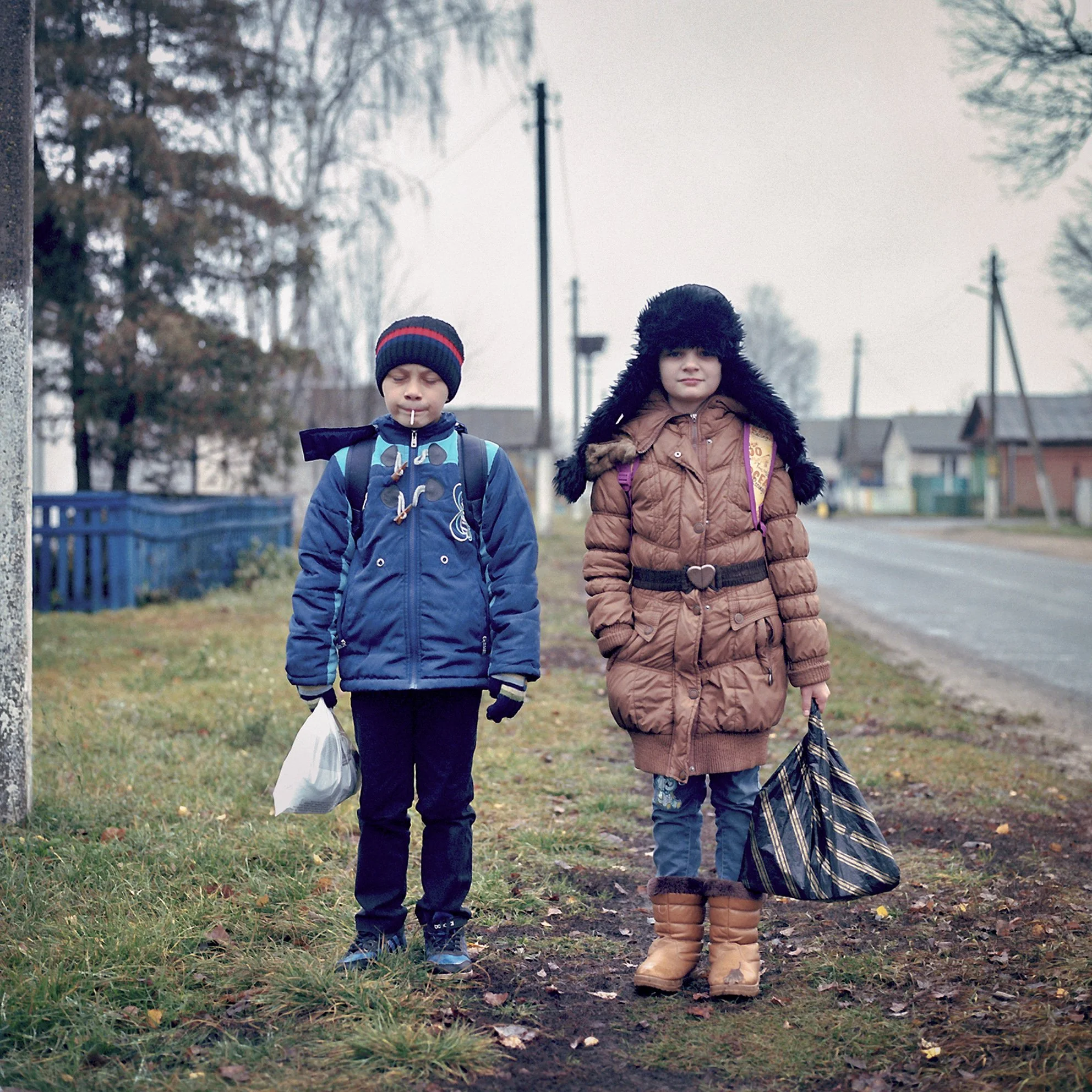
 Walking home from school in Vetka, on the edge of the Belarusian Chernobyl Exclusion Zone. (1986)

Walking home from school in Vetka, on the edge of the Belarusian Chernobyl Exclusion Zone. (1986)

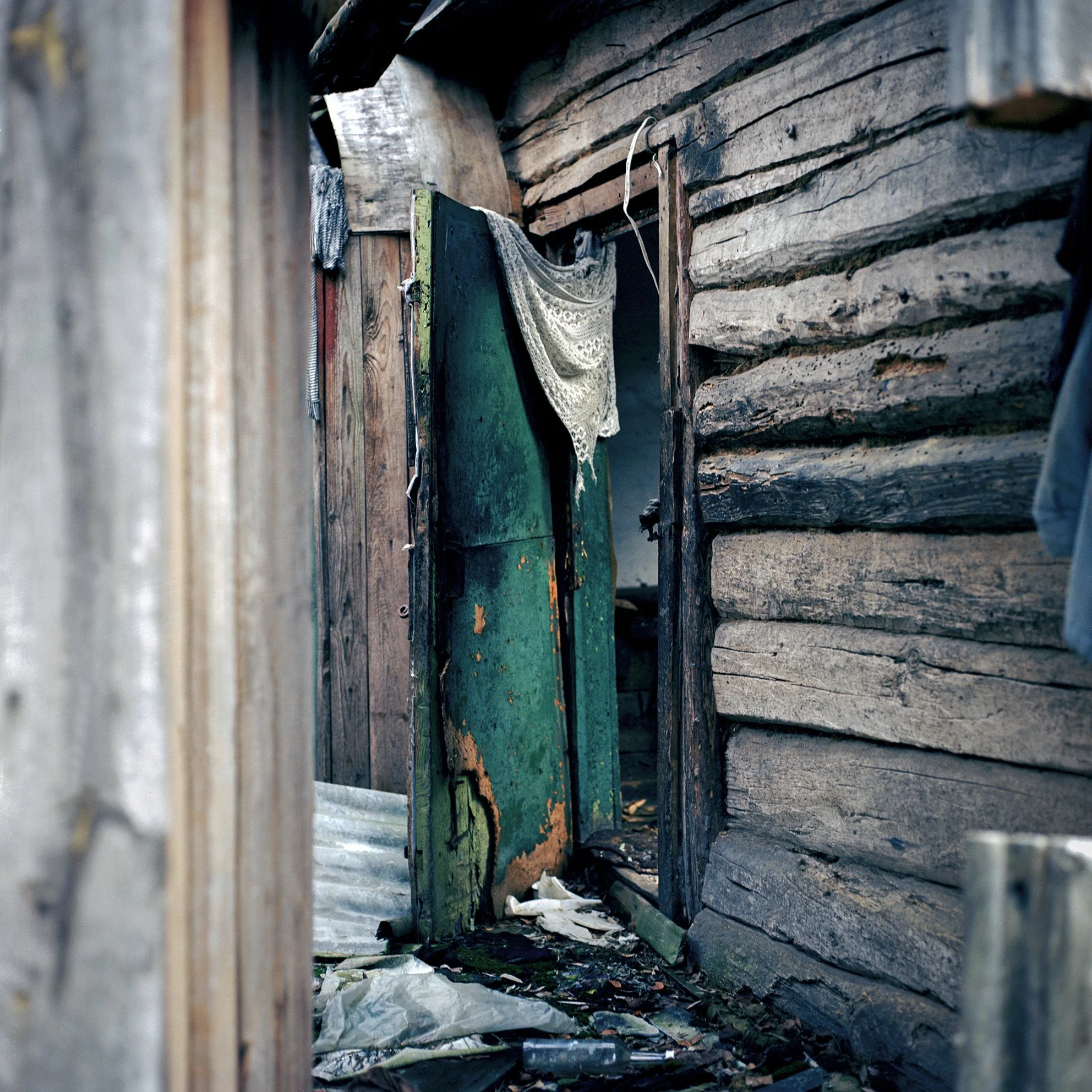
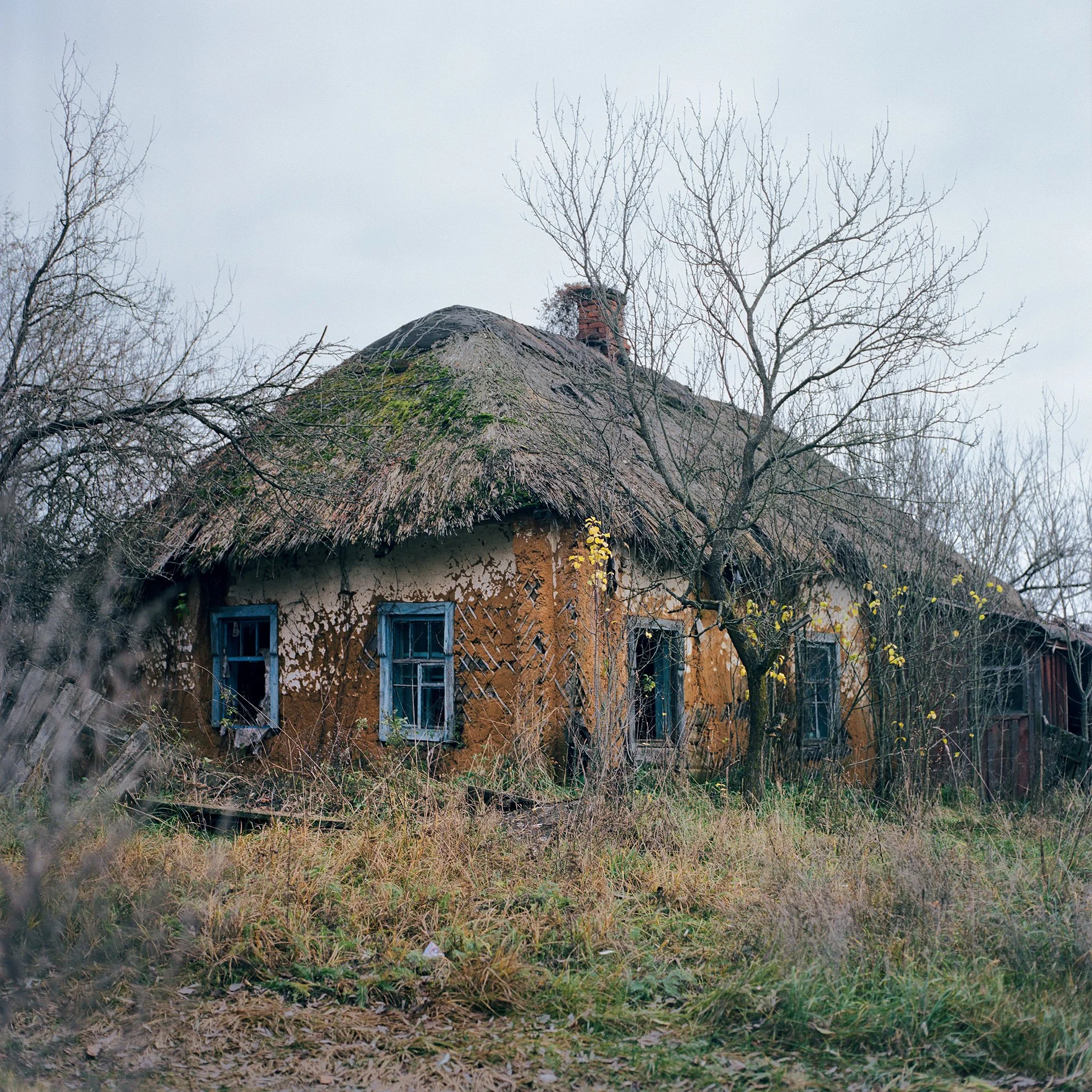
 Abandoned house for 40 years in the contaminated village of Katichev in the Belarusian Chernobyl Exclusion Zone. (1986)

Abandoned house for 40 years in the contaminated village of Katichev in the Belarusian Chernobyl Exclusion Zone. (1986)

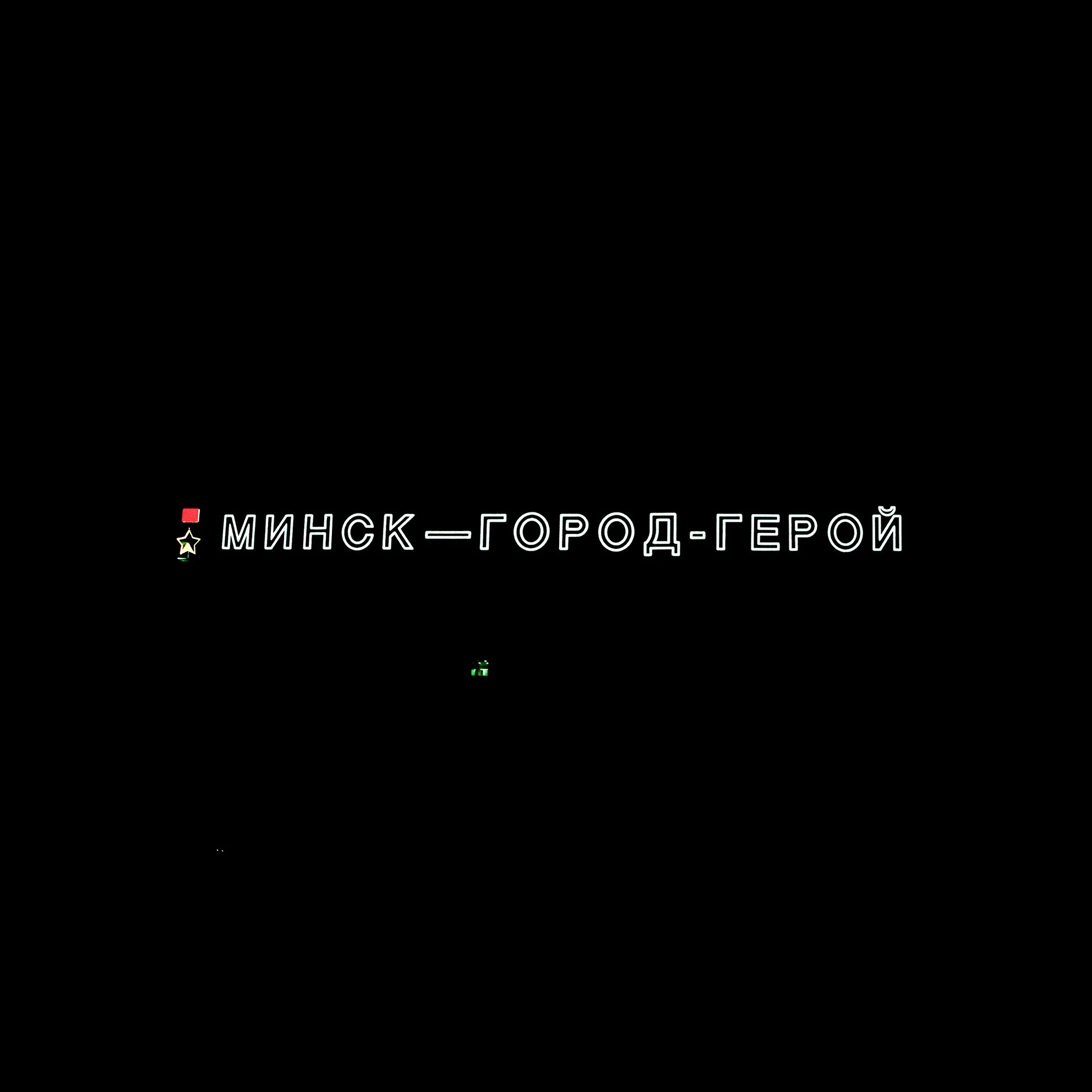
 “Hero city”. Honorary title granted to 12 cities of the Soviet Union after the Second World War, Minsk.

“Hero city”. Honorary title granted to 12 cities of the Soviet Union after the Second World War, Minsk.

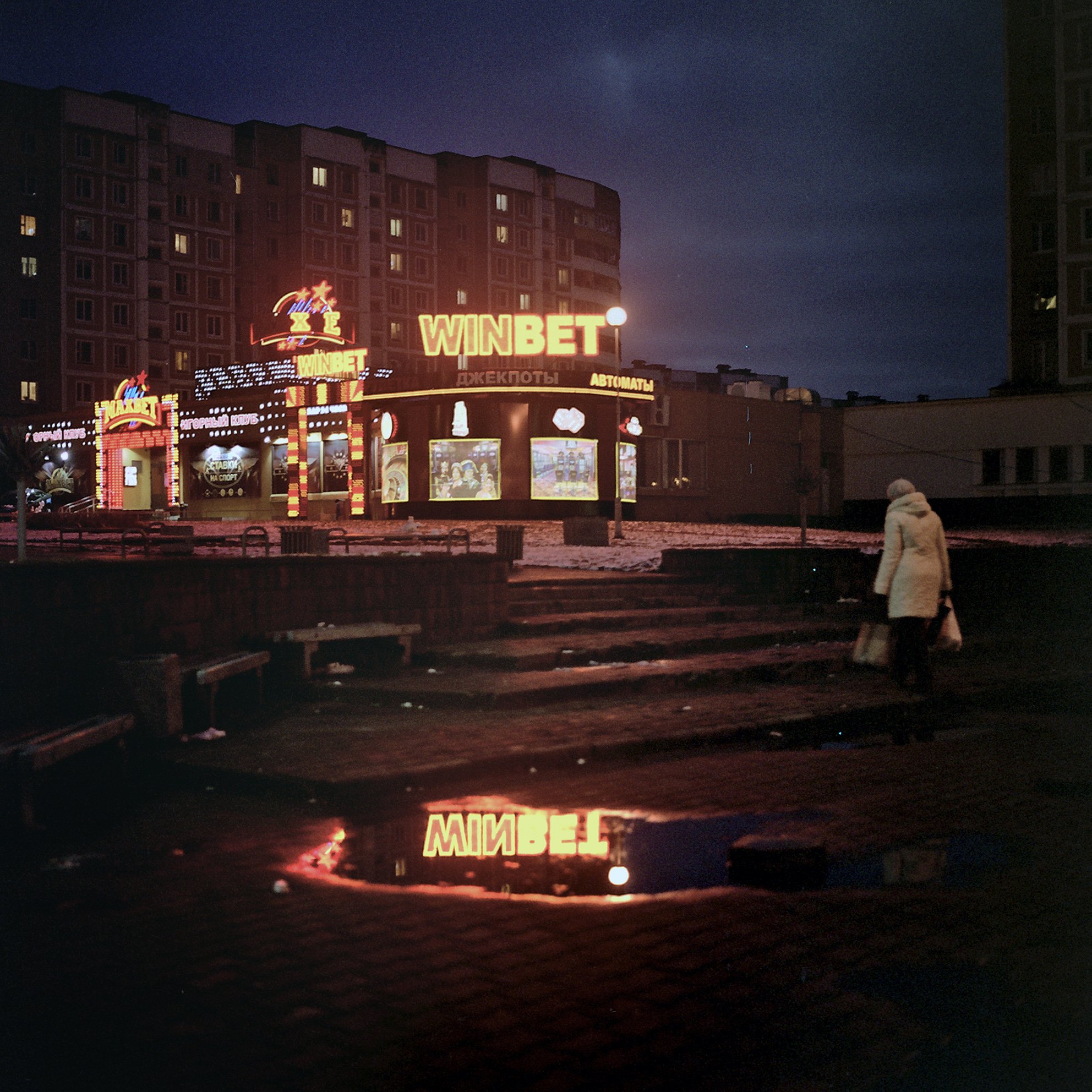
 New casino in Minsk.

New casino in Minsk.

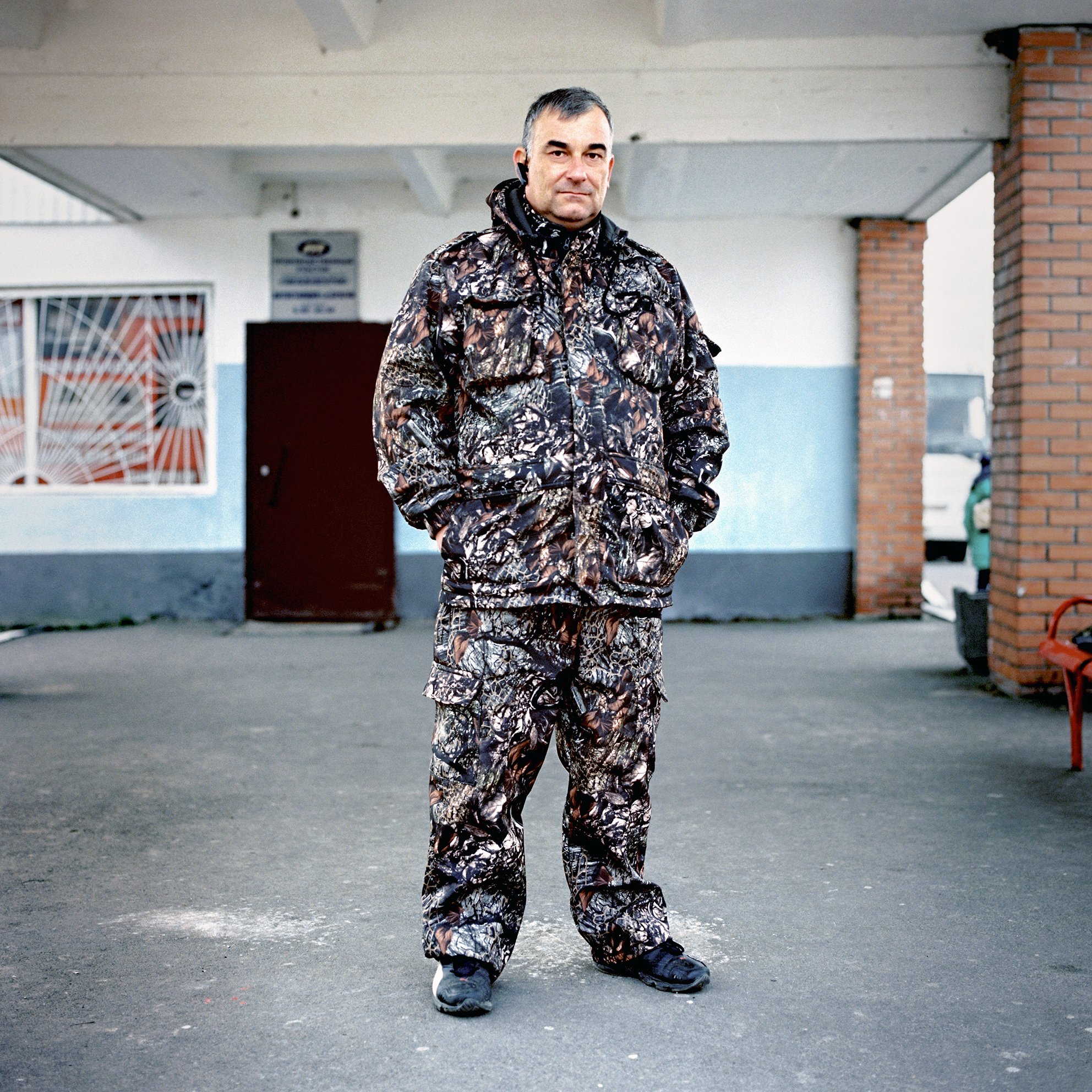
 Oleg at Kamarin, border of the contaminated area of the Belarusian Chernobyl Exclusion Zone. (1986)

Oleg at Kamarin, border of the contaminated area of the Belarusian Chernobyl Exclusion Zone. (1986)

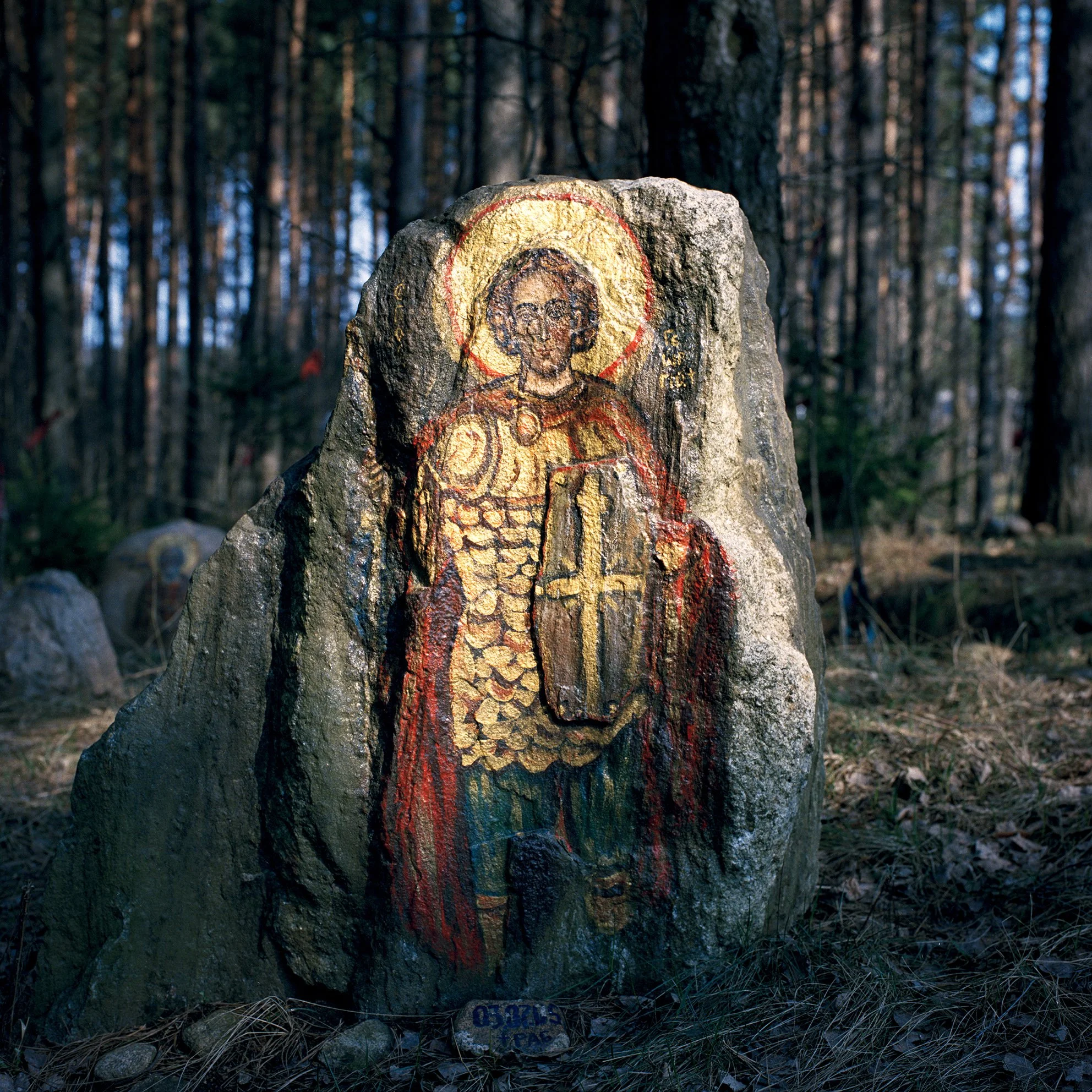
 Cemetery of soviet mass executions of Kurapaty near Minsk. (1937)

Cemetery of soviet mass executions of Kurapaty near Minsk. (1937)

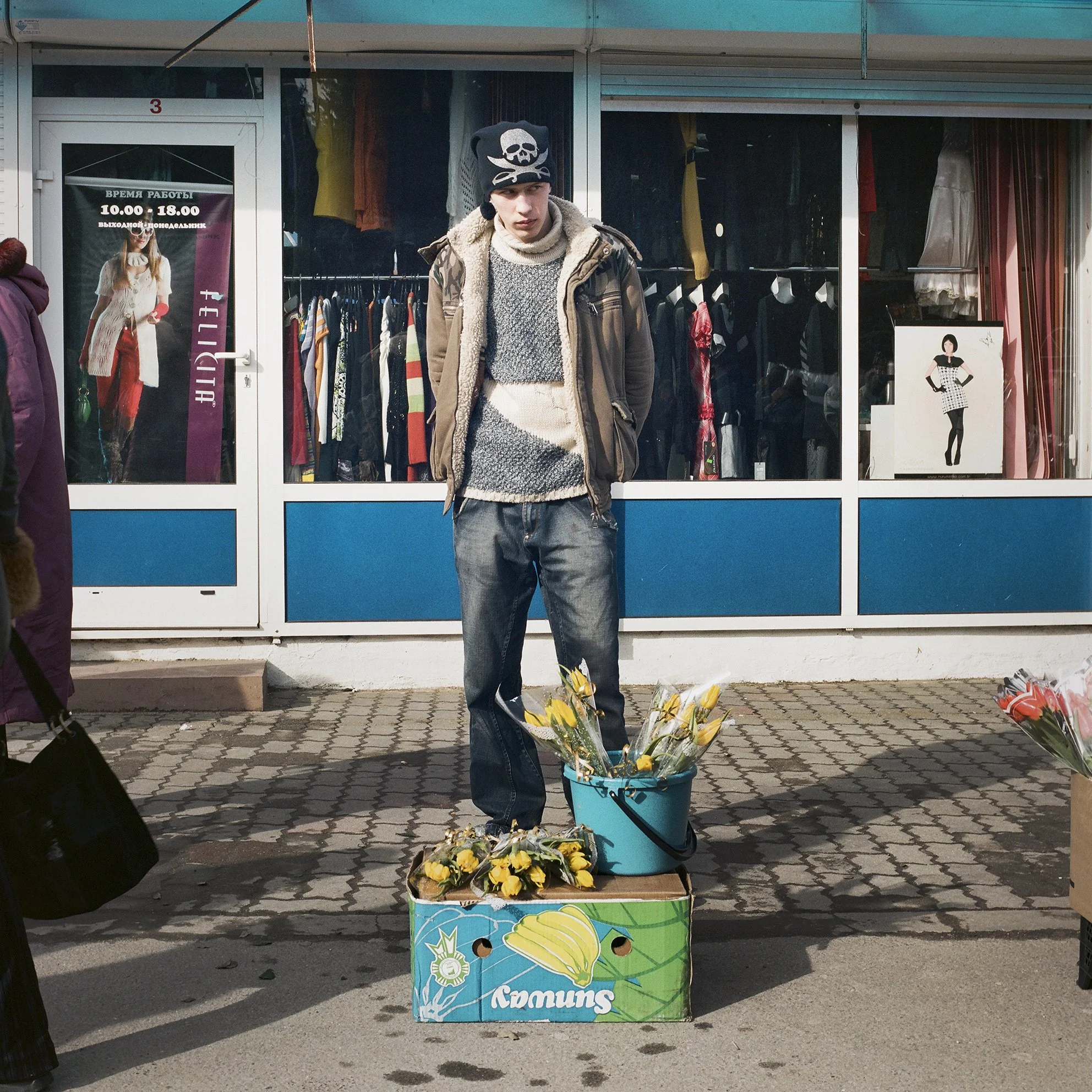
 Sunway. Street vendor in Minsk on Women’s Day.

Sunway. Street vendor in Minsk on Women’s Day.

 Kalodnae crossroads in Polesia, the ancestral homeland of the Belarusian people. (26,000 BC)

Kalodnae crossroads in Polesia, the ancestral homeland of the Belarusian people. (26,000 BC)

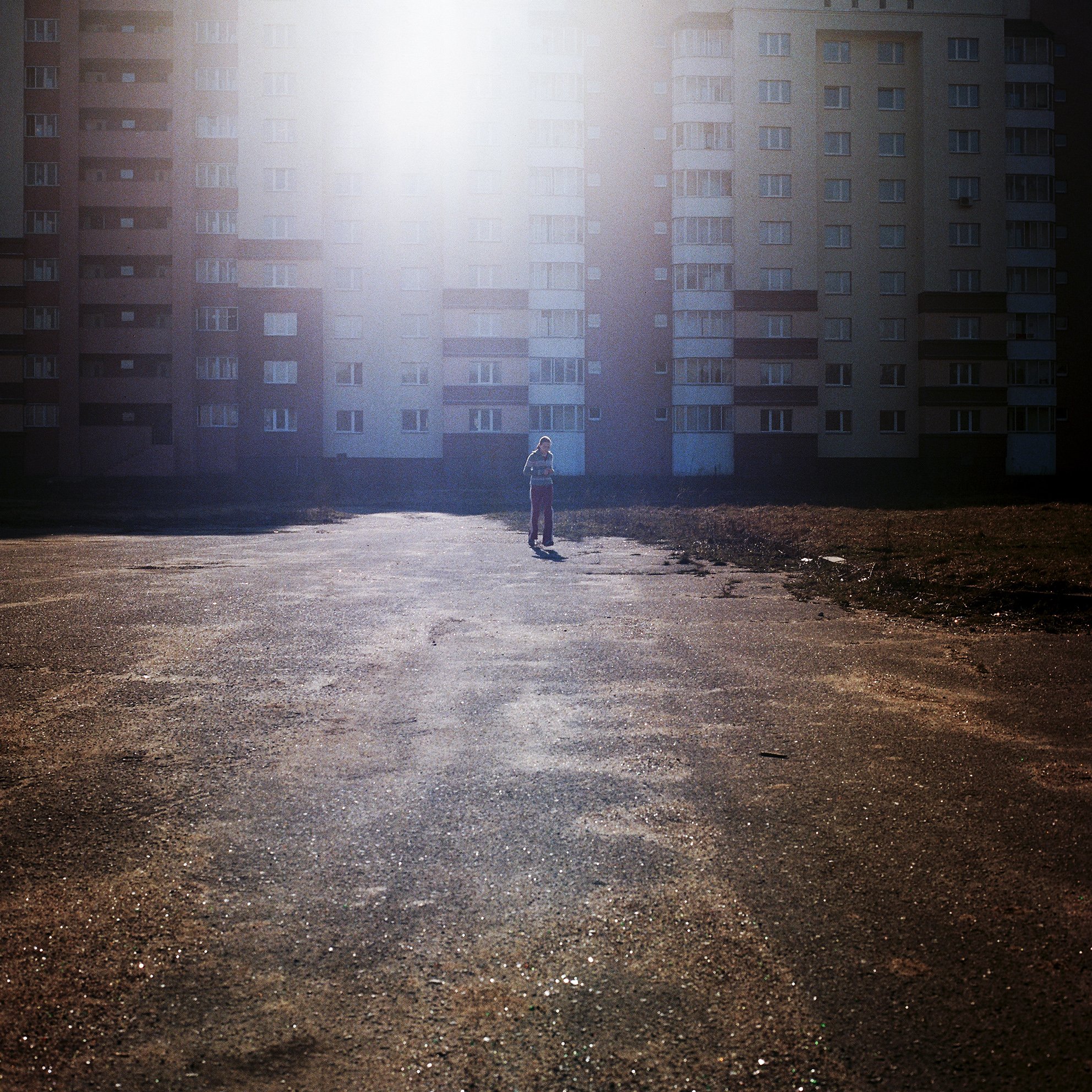
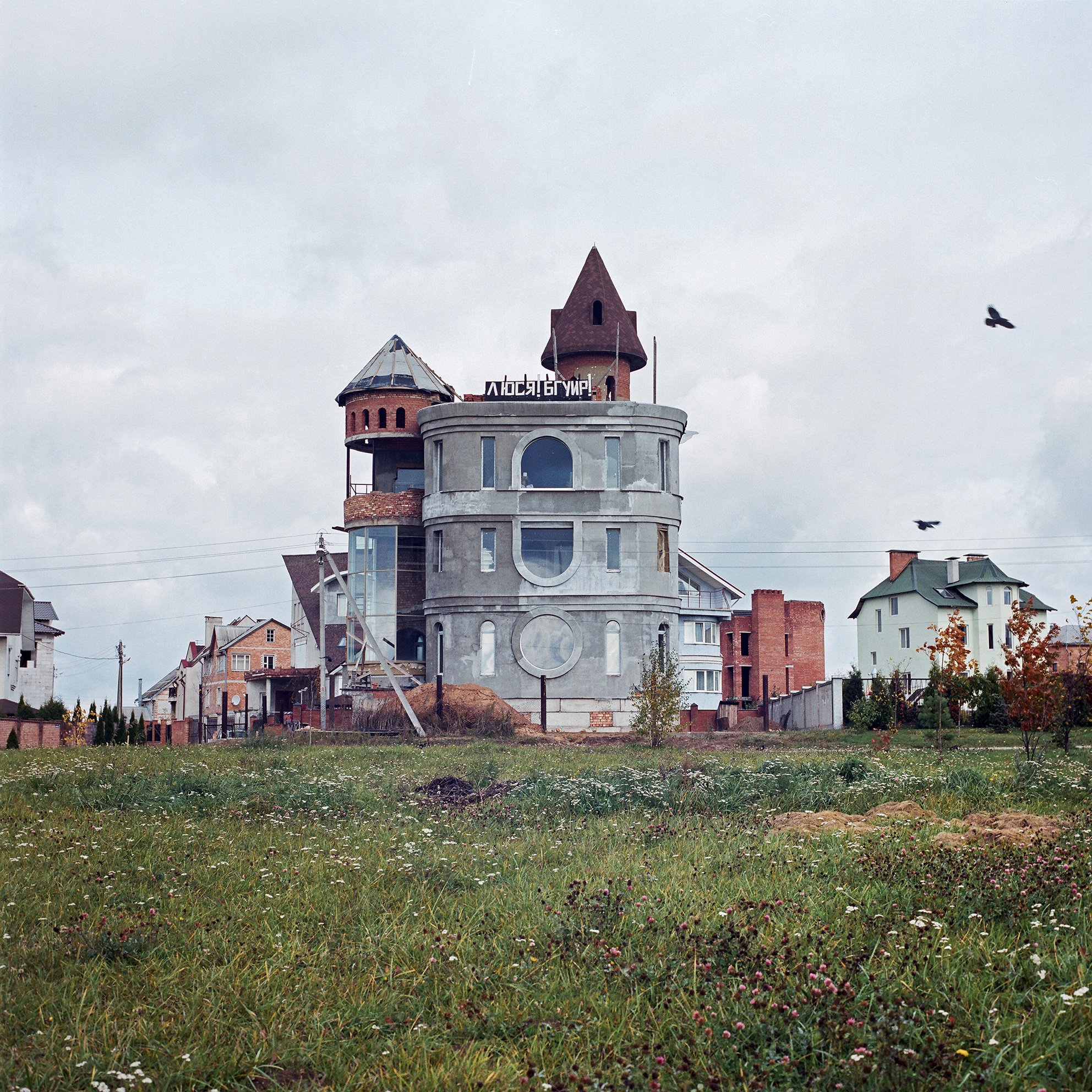
 Residential neighborhoods of Minsk.

Residential neighborhoods of Minsk.

1 2 3 4 5 6 7 8 9 10 11 12 13 14 15 16 17 18 19 20 21 22 23 24 25 26 27 28 29 30
Previous Next
 Bus stop, Polesia, the region of origin of Belarusian settlement.
 Minsk.
 New Astravets nuclear power plant, built by Russia, near the Lithuanian border. (2020)
 Bridge in works on the river Pripiat, near the border with Ukraine.
 "My wife died here, so I stay", Piotr, contaminated village of Bartalomieievka inside the Belarusian Chernobyl Exclusion Zone. (1986)
 Cemetery of soviet mass executions of Kurapaty near Minsk. (1937)
 Arrival in Minsk through fields near the Kurapaty Soviet mass execution cemetery. (1937)
 Good morning Minsk.
 Along the Minsk ring road near the cemetery of soviet mass executions of Kurapaty.
 Wedding at war memorial of the Afghan war on Tears Island in Minsk.
 Nastia in front of the bust of Lenin on October Street in Minsk. (1917) Nastia has never known the Soviet era and has never had any president other than Alexander Lukashenko.
 Cross draped with ruchnyks (traditional hand-embroidered textiles, symbols of memory and spirituality) in Gorky. (mid-Medieval period)
 A broom resting in a quiet corner of Minsk.
 Village of Kamarin, edge of the Belarusian Chernobyl Exclusion Zone. (1986)
 Herding the kolkhoz cattle (state-controlled collective farm) in Kosava. (established 1928)
 Protest in Minsk. White-red-white – the historic Belarusian flag inherited from the Grand Duchy of Lithuania. (1793)
 Irina in front of the Pripyat River in Turov, in Polesia, the ancestral homeland of the Belarusian people. "Kind sun, give me your strength," her grandmother used to say, welcoming the sun with open hands.
 Village of Alexandraouka in the Belarusian Chernobyl Exclusion Zone. (1986)
 Village of Alexandraouka in the Belarusian Chernobyl Exclusion Zone. (1986)
 Cemetery of soviet mass executions of Kurapaty near Minsk. (1937)
 Black swan, carousel at Chelyuskinsov Park in Minsk.
 Walking home from school in Vetka, on the edge of the Belarusian Chernobyl Exclusion Zone. (1986)
 Abandoned house for 40 years in the contaminated village of Katichev in the Belarusian Chernobyl Exclusion Zone. (1986)
 “Hero city”. Honorary title granted to 12 cities of the Soviet Union after the Second World War, Minsk.
 New casino in Minsk.
 Oleg at Kamarin, border of the contaminated area of the Belarusian Chernobyl Exclusion Zone. (1986)
 Cemetery of soviet mass executions of Kurapaty near Minsk. (1937)
 Sunway. Street vendor in Minsk on Women’s Day.
 Kalodnae crossroads in Polesia, the ancestral homeland of the Belarusian people. (26,000 BC)
 Residential neighborhoods of Minsk.

All rights reserved © Inland Stories

+32474533362 Inlandstories@gmail.com
Hours
Mon 8am - 6pm
Tue 8am - 6pm
Wed 8am - 6pm
Thu 8am - 6pm
Fri 8am - 6pm