Romain Philippon
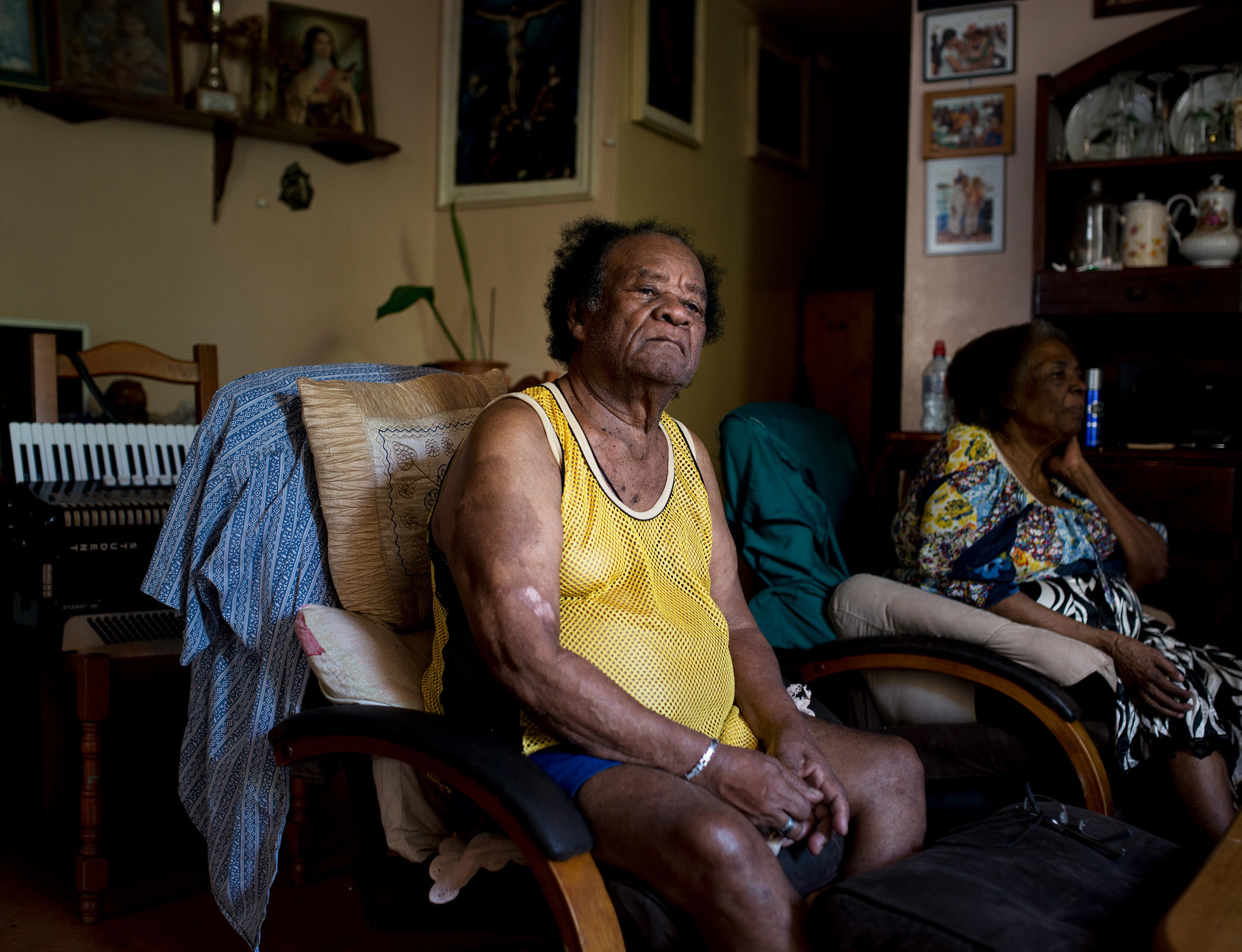
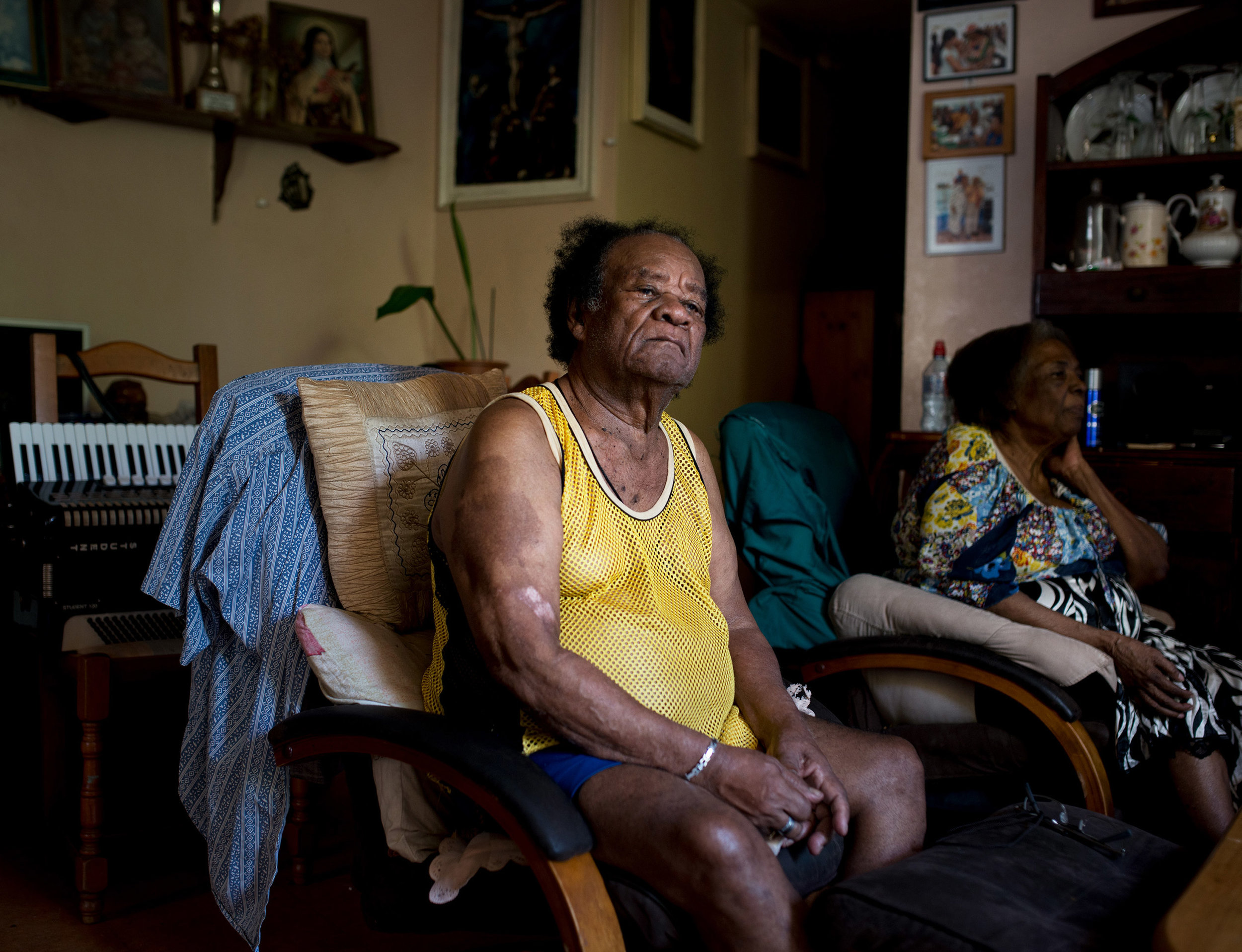
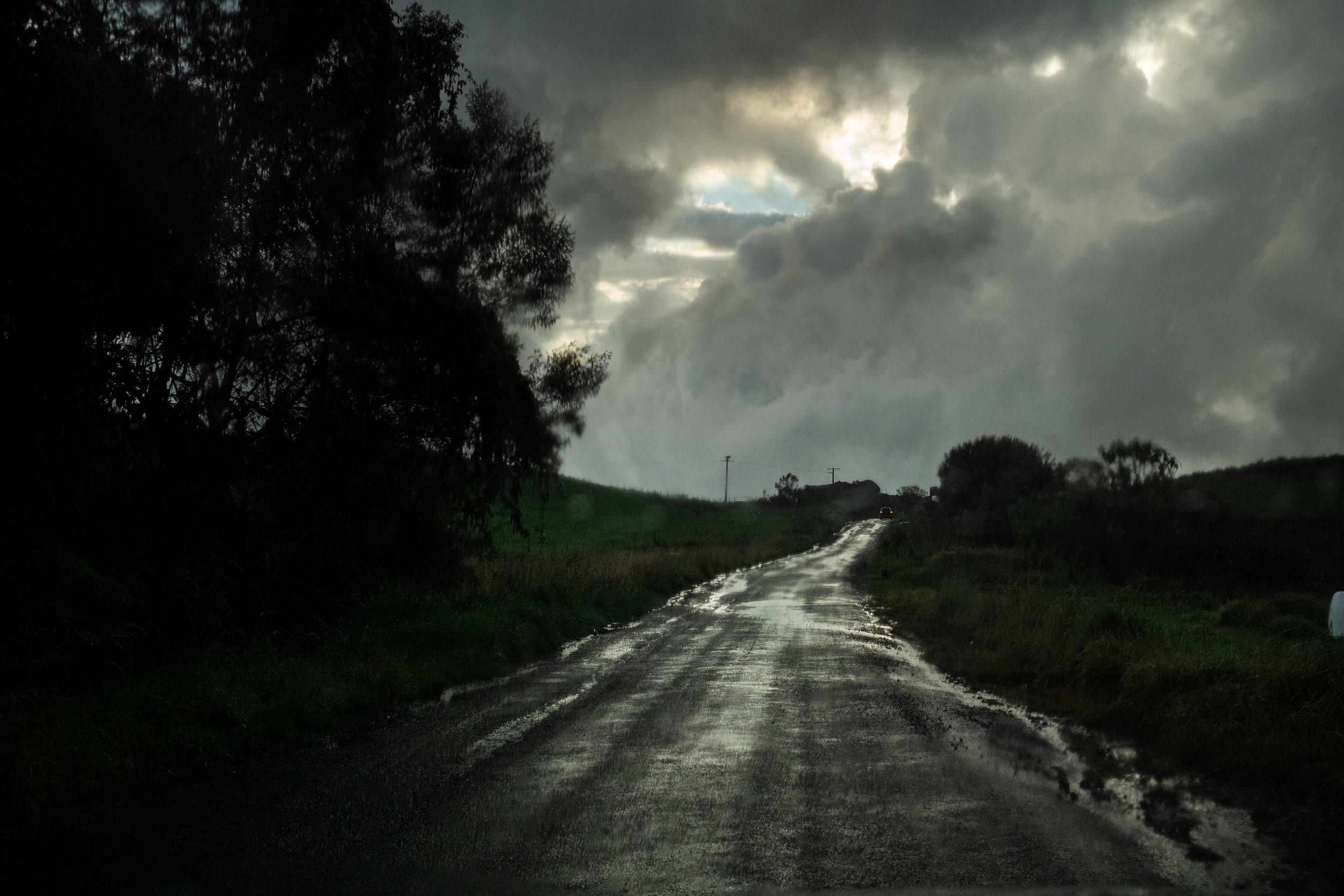
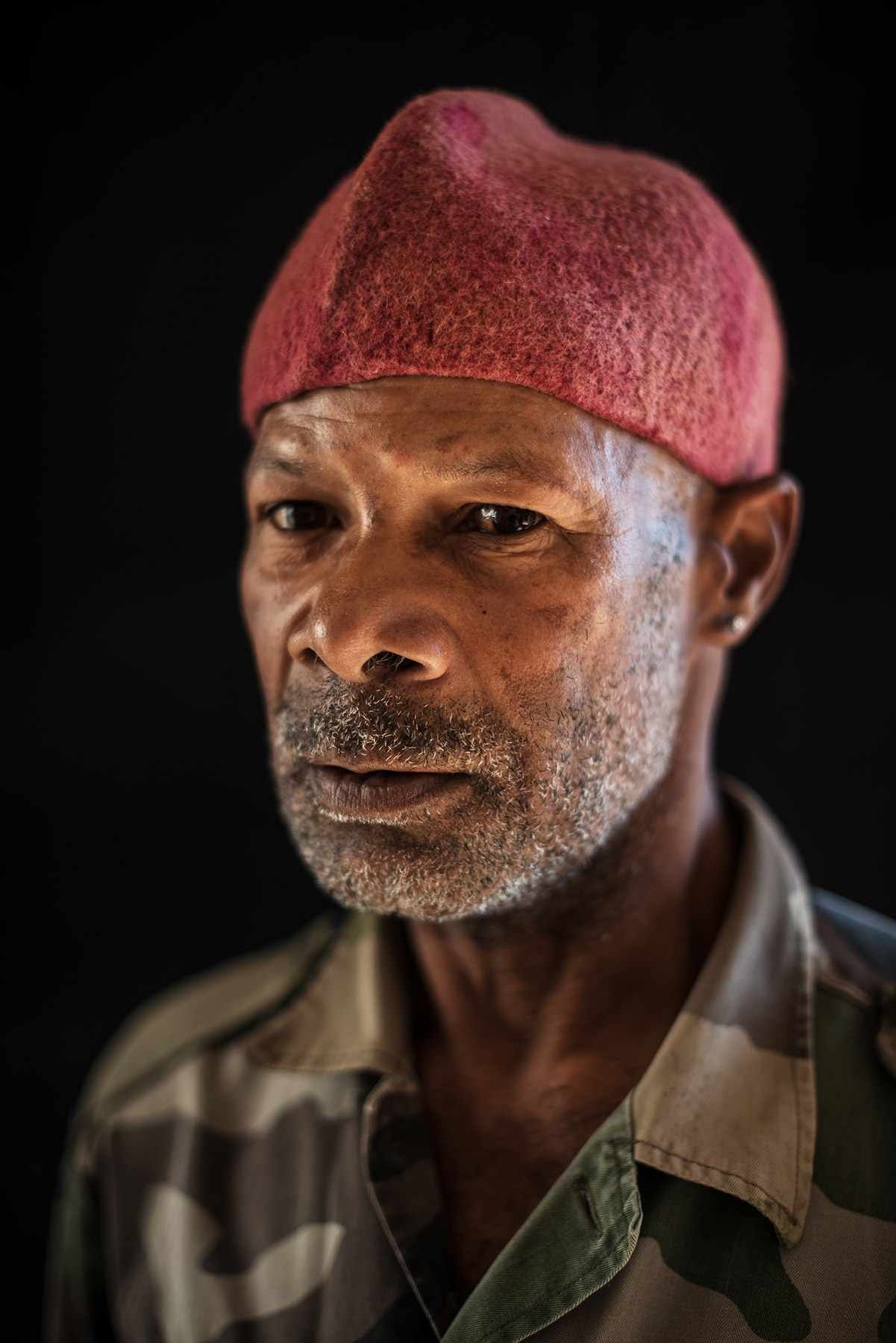
Commune Primat is a small district of Saint-Denis, in Reunion Island. Here, even in 1970’s, a shantytown stretched on a strip of savannah stuck between a bed of river and a ravine. At the end of this dry tongue rose the fumaroles of a open-air dump where piles of garbage from the largest city in the French overseas departments. Closed on one side by the ocean, on the other by a four lane road, Primat is today a city cut off from the world. 1,700 people live in the buildings and semi-detached houses built over the course of RHI's operations – for Resorption of Unsanitary Habitat. The landfill has disappeared, replaced by typical infrastructures of the urban outskirts: football stadium, shopping center, car parks, cemetery and funeral center that dig an empty perimeter around the small concrete village, become an island in the island. At the end of 2015, a study published in a local daily newspaper indicated Commune Primat as the poorest district of Reunion, French department already out of the ordinary on the social plan, where one in two lives below the poverty line. It did not please inhabitants, who are proud of their neighborhood, and often nostalgic for the time before the rehabilitation. Between them, they call themselves the Primatorians, and enjoy the false airs of Roman aristocracy who snore in the title. Urban rumor has long been theirs lent the reputation of being the most brawlers of the island. This hot neighborhood image is, for some, at the origin of the name under which many know the place: « Commune Do Fé » (The burning city ).
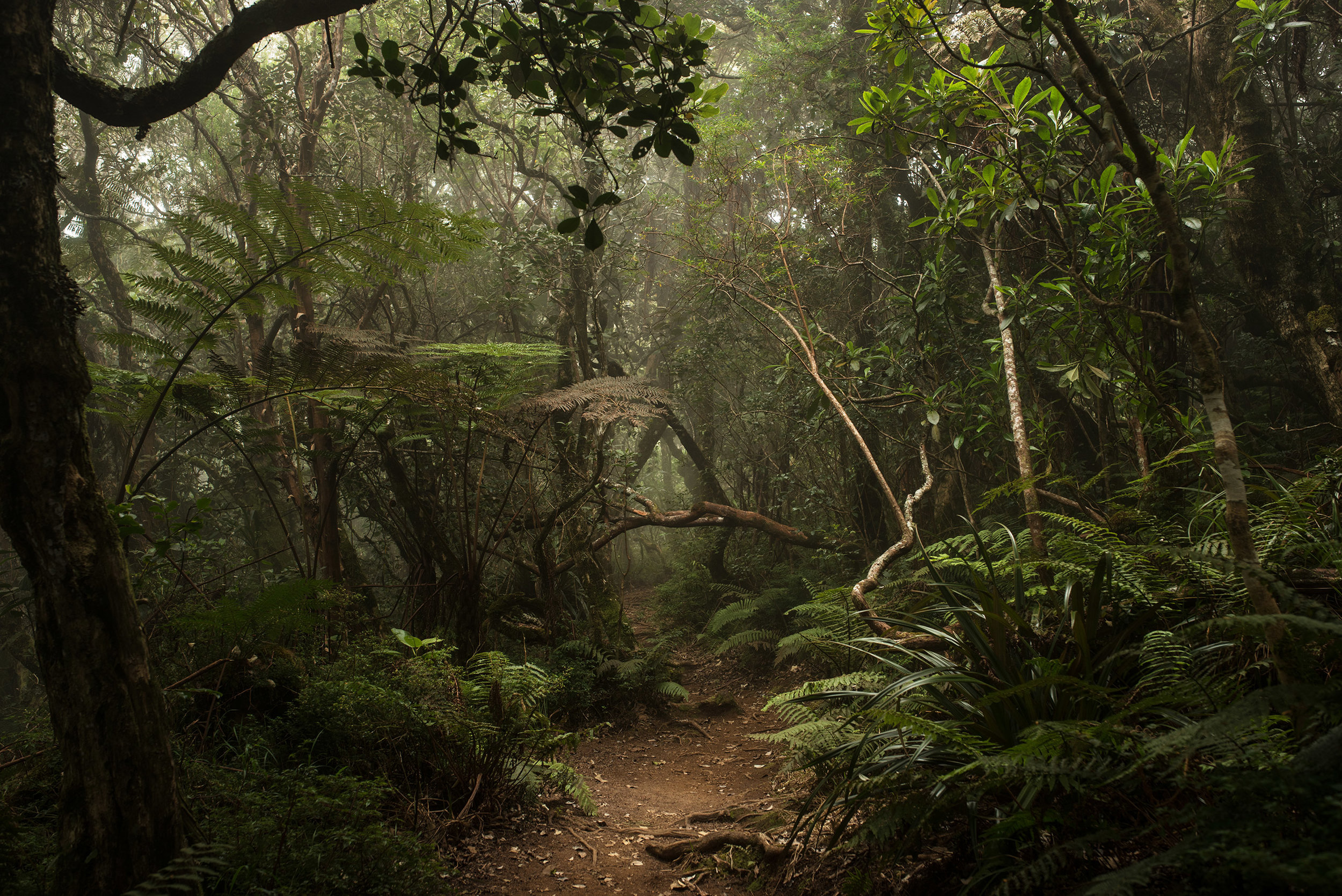
Photographer Romain Philippon and writer Yann Hamonet shared their identities on a journal project called "Antimemories" (Antimémoires in French). With this dialogue, which has become a map of memories, the two artists followed in André Malraux's footsteps.
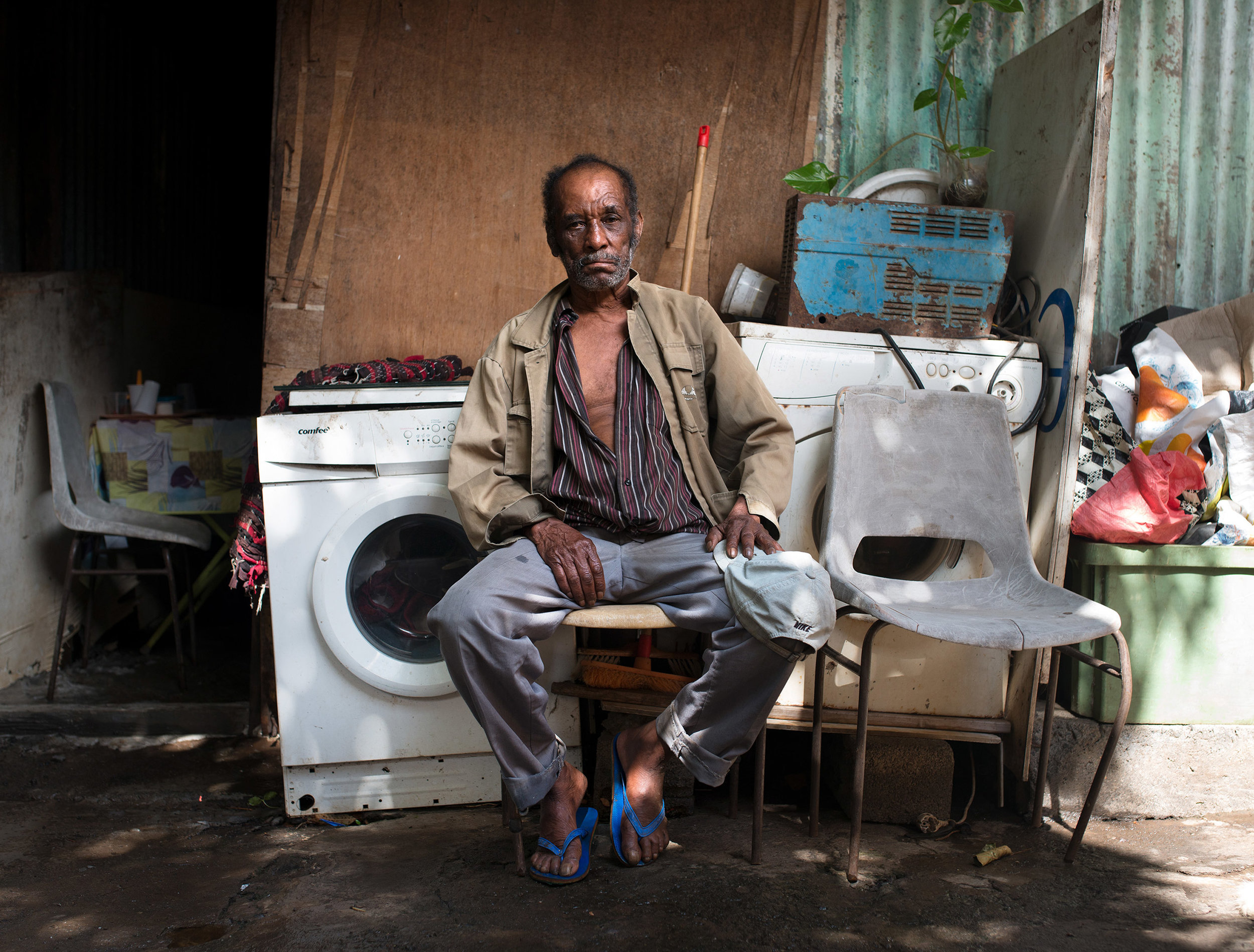
Commune Primat is a small district of Saint-Denis, in Reunion Island. Here, even in 1970’s, a shantytown stretched on a strip of savannah stuck between a bed of river and a ravine. At the end of this dry tongue rose the fumaroles of a open-air dump where piles of garbage from the largest city in the French overseas departments. Closed on one side by the ocean, on the other by a four lane road, Primat is today a city cut off from the world. 1,700 people live in the buildings and semi-detached houses built over the course of RHI's operations – for Resorption of Unsanitary Habitat. The landfill has disappeared, replaced by typical infrastructures of the urban outskirts: football stadium, shopping center, car parks, cemetery and funeral center that dig an empty perimeter around the small concrete village, become an island in the island. At the end of 2015, a study published in a local daily newspaper indicated Commune Primat as the poorest district of Reunion, French department already out of the ordinary on the social plan, where one in two lives below the poverty line. It did not please inhabitants, who are proud of their neighborhood, and often nostalgic for the time before the rehabilitation. Between them, they call themselves the Primatorians, and enjoy the false airs of Roman aristocracy who snore in the title. Urban rumor has long been theirs lent the reputation of being the most brawlers of the island. This hot neighborhood image is, for some, at the origin of the name under which many know the place: « Commune Do Fé » (The burning city ).
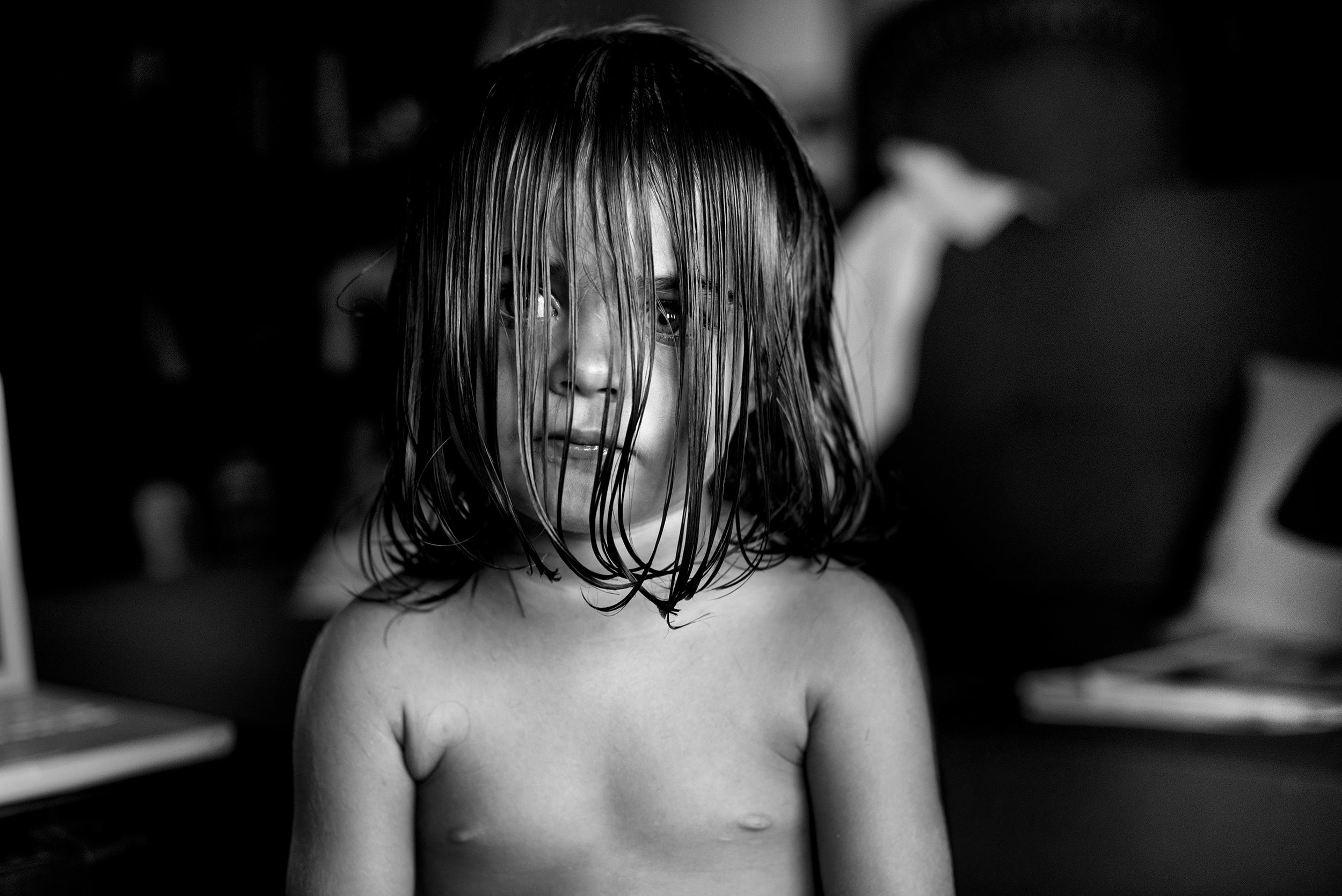
Photographer Romain Philippon and writer Yann Hamonet shared their identities on a journal project called "Antimemories" (Antimémoires in French). With this dialogue, which has become a map of memories, the two artists followed in André Malraux's footsteps.
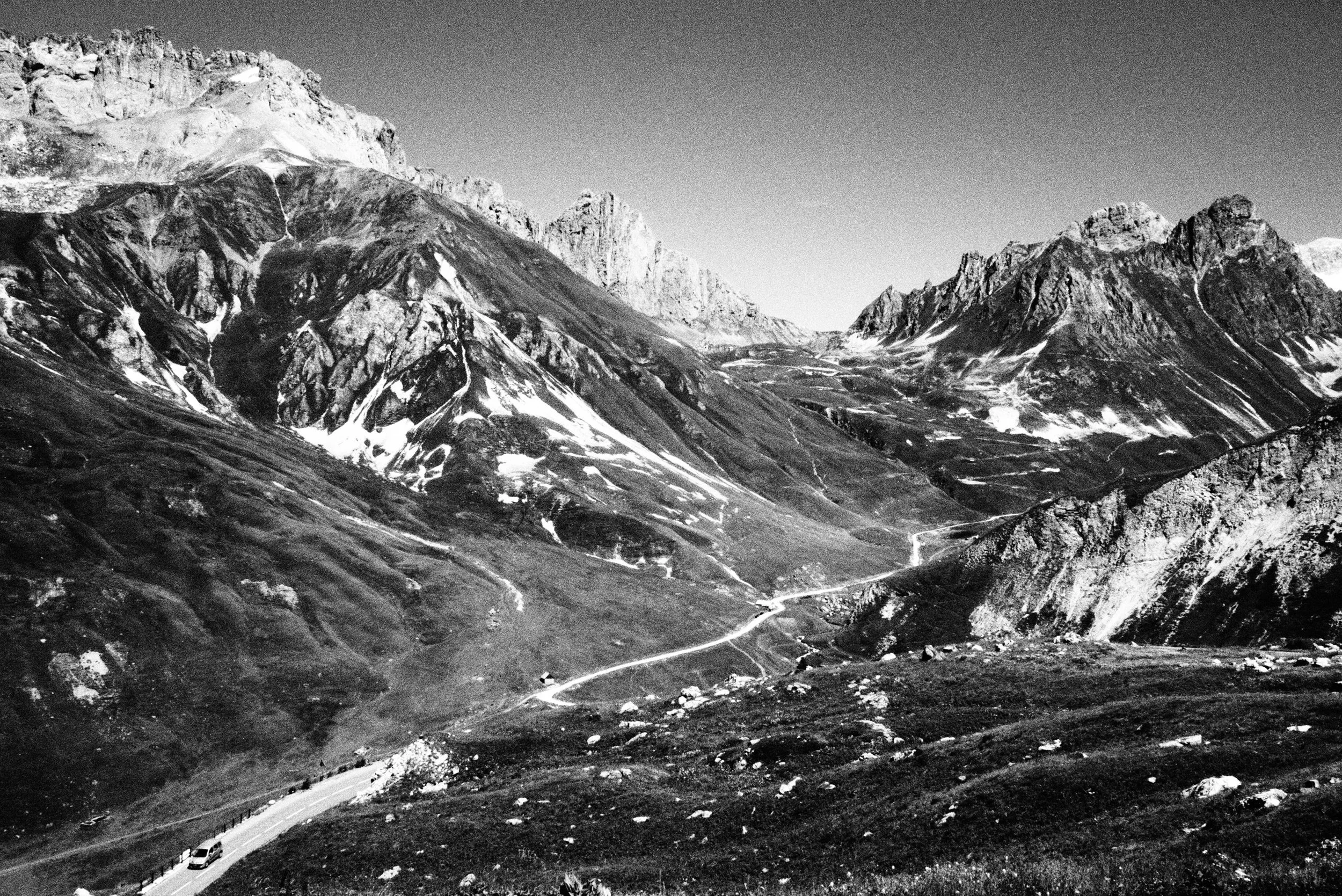
Photographer Romain Philippon and writer Yann Hamonet shared their identities on a journal project called "Antimemories" (Antimémoires in French). With this dialogue, which has become a map of memories, the two artists followed in André Malraux's footsteps.
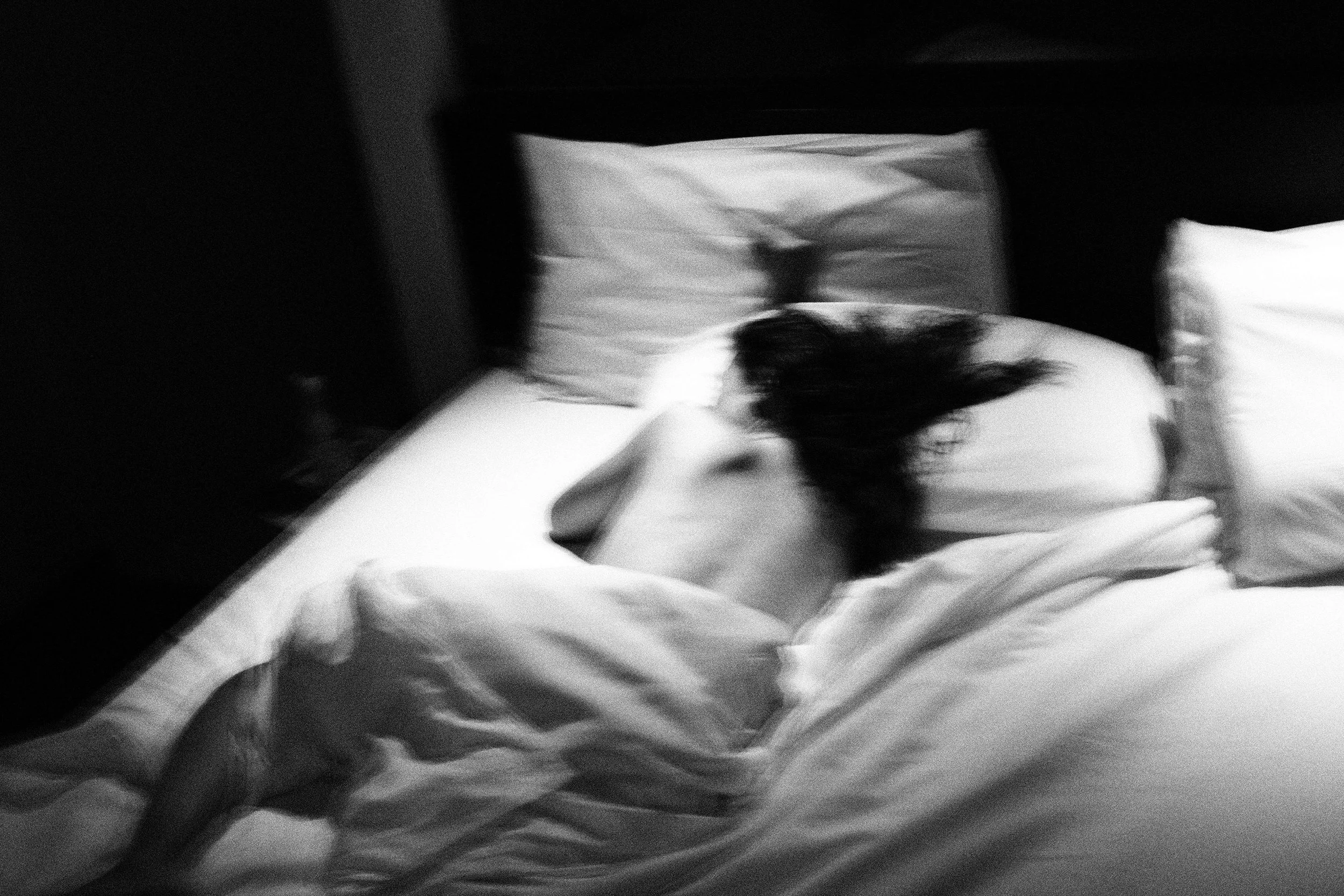
Photographer Romain Philippon and writer Yann Hamonet shared their identities on a journal project called "Antimemories" (Antimémoires in French). With this dialogue, which has become a map of memories, the two artists followed in André Malraux's footsteps.
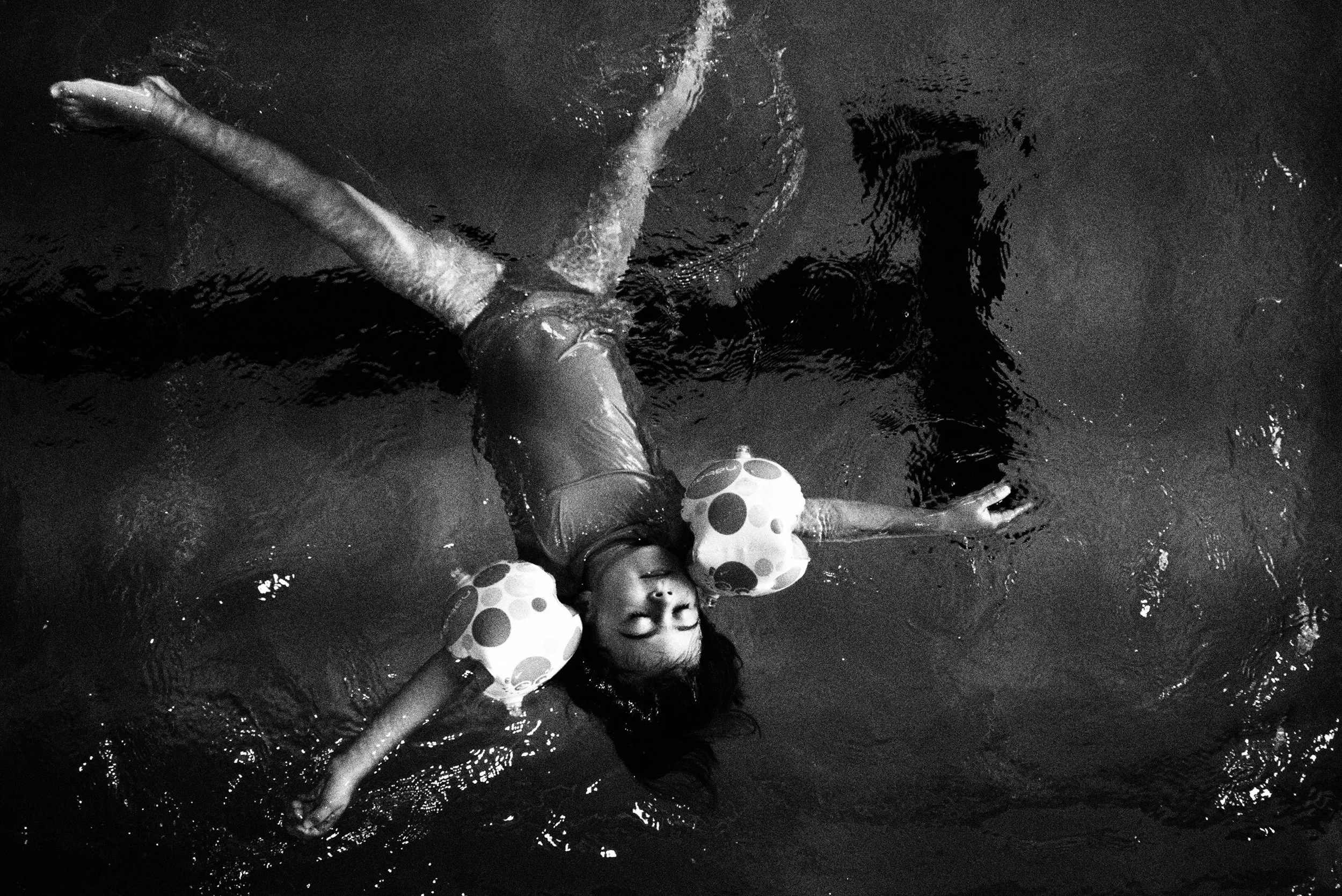
Photographer Romain Philippon and writer Yann Hamonet shared their identities on a journal project called "Antimemories" (Antimémoires in French). With this dialogue, which has become a map of memories, the two artists followed in André Malraux's footsteps.
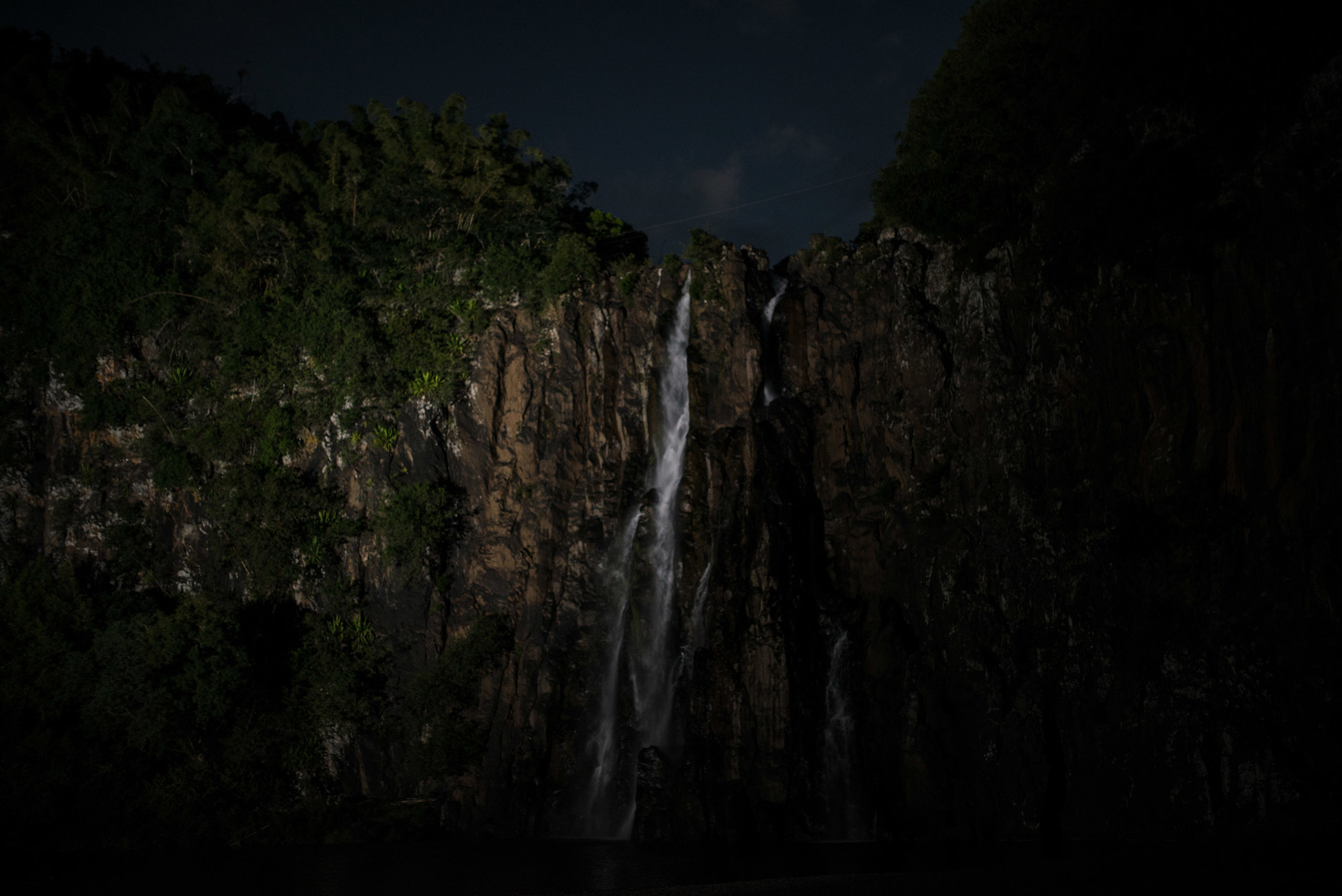
Photographer Romain Philippon and writer Yann Hamonet shared their identities on a journal project called "Antimemories" (Antimémoires in French). With this dialogue, which has become a map of memories, the two artists followed in André Malraux's footsteps.
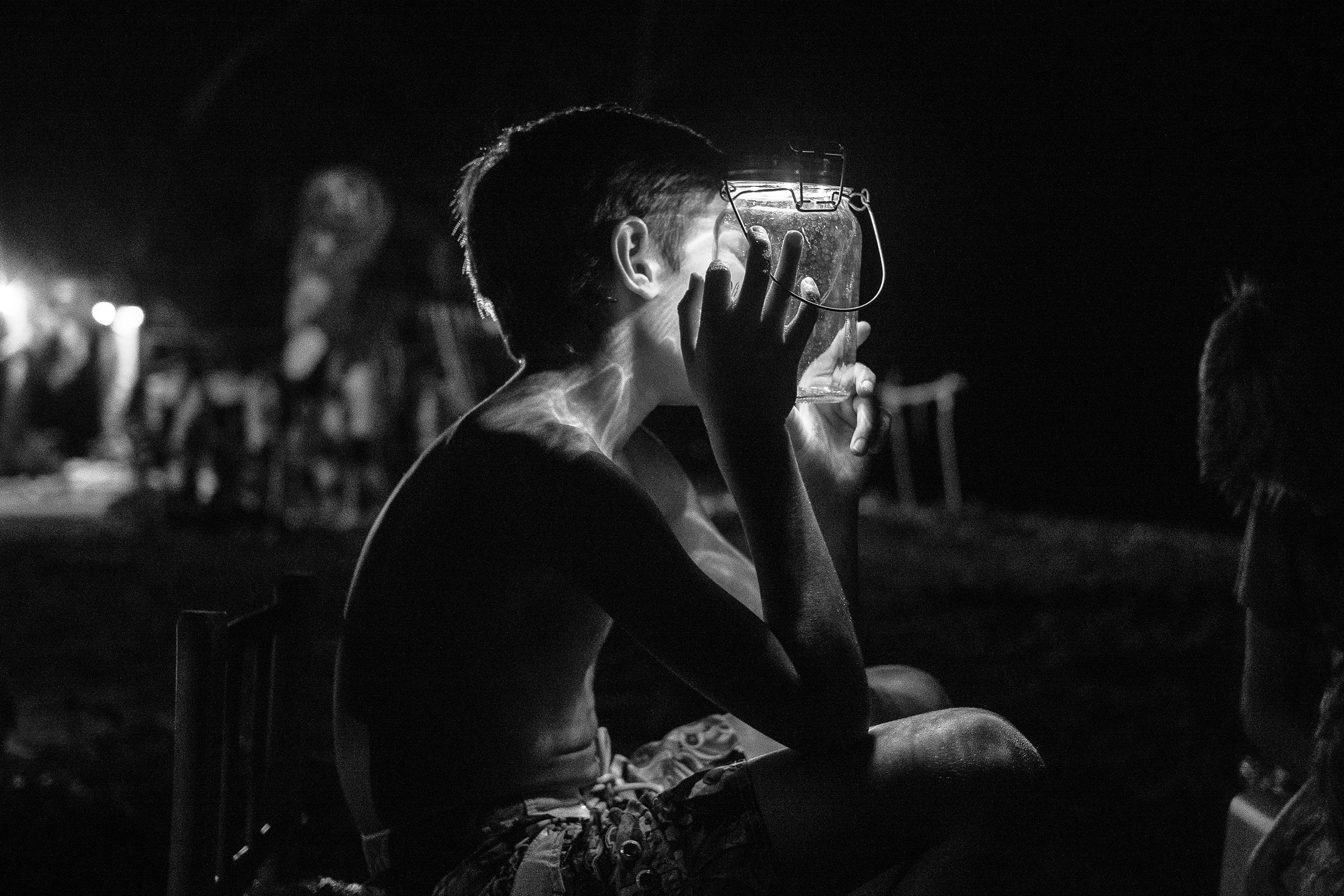
Photographer Romain Philippon and writer Yann Hamonet shared their identities on a journal project called "Antimemories" (Antimémoires in French). With this dialogue, which has become a map of memories, the two artists followed in André Malraux's footsteps.
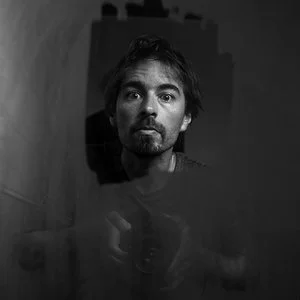
Romain Philippon has been a freelance photographer since 2006. He lives and works on Reunion Island. He develops long-term documentary photography projects that interrogate insularity in its geographical and human forms mainly focused on the Indian Ocean area. Exploring the use of images in various projects, from raw photographic documentary to videographic experimentation with other artists (dancers, modern circus, musicians, etc.), he likes to put poetry at the heart of his work.
In 2012, Romain published a book about street sleepers around the world entitled Insconscience (published by Pendant ce temps), which received the public prize at the Strasbourg Photo Fair. In April 2015, he launched the photographic revue Fragments, which offers a singular and contemporary view of the Indian Ocean, based on collective residencies. In 2017, his work Commune do fé, on the poorest district of Saint-Denis, the largest French town overseas, was presented at the photographic festival Images Singulières in Sète, as part of the collective project La France vue d'ici (published by La Martinière).
Over the last few years, he has been developing photographic research work on his identity, that of his children, and their territories, between Reunion and France. This project, called Antimémoires, started with Yann Hamonet providing the text, and continued with French singer Ben Mazué.
Based in: Saint Denis, La Reunion
Website: https://www.romainphilippon.com/
Instagram
Books: Inconscience / Fragments